A buyer's broker helps you find investment properties by turning your goals into a written search profile, screening listed and unlisted inventory against it, running first-pass numbers such as NOI and cap rate, and managing the offer, due diligence and closing steps. The broker's biggest contributions are access to data (such as CoStar), comparable-sales analysis, negotiation, and a disciplined way to say no to properties that do not fit. The decision to buy stays with you.
Start with a search profile, not a property
Most failed searches start with browsing. A broker starts by writing down what a good deal looks like for you, so every property can be checked against the same yardstick. A useful search profile covers:
- Asset type: industrial or flex, retail, office, multi-tenant, land, or a specialty property such as a church or data-related building.
- Price and equity: the purchase price range, the down payment you can commit, and whether you plan to use a lender.
- Return targets: minimum cap rate, cash-on-cash return, or a total return over a hold period.
- Risk tolerance: stabilized (fully leased, low management) versus value-add (vacancy, deferred maintenance or below-market rents).
- Geography: for example, the Route 1 corridor, Manassas, the Dulles corridor, or a specific submarket you already know.
- Timeline: including any 1031 exchange deadlines, which your CPA or exchange intermediary should confirm.
The tighter the profile, the faster a broker can rule properties in or out. If you are still deciding which asset class suits you, our overview of 6 types of commercial real estate investments is a good place to begin.
Where brokers look for investment properties
Properties reach buyers through several channels, and a broker covers more of them than a single person scrolling listing sites:
- Commercial listing databases. Our firm has access to CoStar, a commercial real estate database that shows listings, sale comparables, lease comparables and ownership information.
- Broker-to-broker networks. Many deals are shared between brokers before or alongside public marketing.
- Direct owner outreach. A broker can contact owners of buildings that match your profile even when nothing is advertised. We cover this in depth in how to find off-market commercial real estate properties.
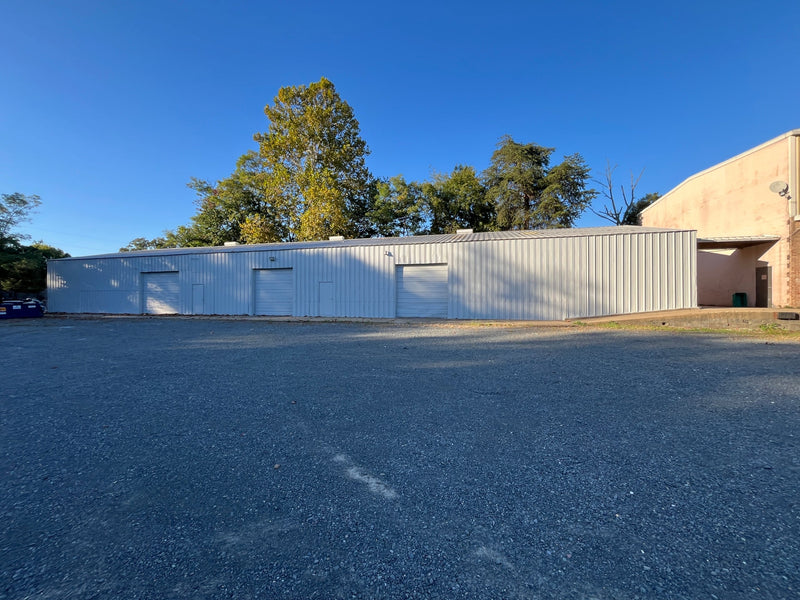
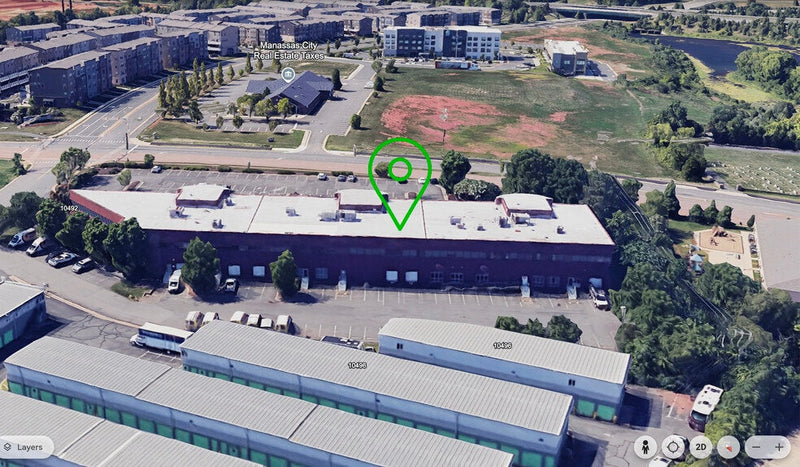
- Current listings. You can see what we are marketing on our commercial properties for sale page. At the time of writing, examples include Minnieville Shopping Center in Woodbridge and 10498 Colonel Ct in the Godwin Business Park in Manassas. Availability changes, so confirm status with us.
How a broker screens a deal in the first hour
Before anyone drives to a building, a broker does a desk review. The goal is to eliminate weak candidates cheaply. The core steps:
- Read the offering materials and note what is missing. A listing with no rent roll or expense history is a flag, not a dealbreaker.
- Calculate NOI. Net operating income is income minus operating expenses, before debt service. See how to calculate NOI for the method.
- Compare the implied cap rate to similar sales. Cap rate is NOI divided by price; read what is a good cap rate before relying on one number.
- Check zoning and use. A building can look cheap because the permitted uses do not match what the buyer needs, or what the next tenant needs.
- Review lease terms. Rent steps, expirations, renewal options and who pays what (NNN, modified gross or full service) change the real income.
For example, suppose a hypothetical small retail building is offered at $2,000,000 with stated NOI of $140,000. The implied cap rate is 7%. If the broker finds that the seller left out a roof reserve and property management fees, the true NOI might be $118,000 and the real cap rate 5.9%. That gap is exactly the kind of detail a first-pass review is meant to catch. These numbers are illustrative only and are not current market data.
Market data: what a broker adds, and what no one can promise
Investment value depends on local comparables, not national averages. Cap rates, rents and vacancy differ between, say, a Tysons office building, a Manassas flex building and a Loudoun County warehouse, and they change over time. A broker pulls recent sales and lease comparables for the same property type and submarket, adjusts for size, age, condition and lease terms, and explains the range. For a formal value opinion, lenders typically require an appraisal, which is separate from a broker's analysis. We explain the difference in how to determine the market value of a commercial property.
No broker can guarantee a return, a rent increase or a resale price. What a broker can do is make sure your assumptions are tested against evidence.
Buyer's broker versus searching alone
| Task | Searching alone | With a buyer's broker |
|---|---|---|
| Finding inventory | Public listing sites only | Databases, broker network and owner outreach |
| Screening | Often driven by price and photos | Written criteria and NOI/cap rate checks |
| Comparables | Hard to access and interpret | Sales and lease comps with adjustments |
| Negotiation | Direct with seller's broker | Representation on price, terms and deadlines |
| Due diligence | Self-managed | Checklist and coordination with attorney, lender, inspectors |
| Cost to buyer | None for the broker | Compensation arrangement agreed in writing; ask up front |
From offer to closing: where the broker stays involved
Once you pick a target, the broker helps you structure a letter of intent covering price, deposit, due diligence period, financing contingency and closing date. After the LOI is accepted, your attorney drafts or reviews the purchase contract. During due diligence you will typically review:
- Leases, estoppel certificates and the rent roll
- Operating statements and tax bills
- Title and survey
- Environmental screening and property condition reports, especially for industrial and auto-related uses
- Zoning confirmation and permitted use
- Lender requirements and appraisal
The broker coordinates the timeline and flags problems early so you can renegotiate or walk away while you still have leverage. Legal, tax and lending decisions belong with your attorney, CPA and lender. For a step-by-step view of the process, see our page on how to accomplish a commercial real estate acquisition.
Questions to ask before you hire a buyer's broker
- How will you find properties that are not publicly listed?
- What data sources and comparables will you use in your analysis?
- How and when are you compensated, and is any part paid by the seller side?
- Do you also represent sellers, and how do you handle a conflict if both sides interest you in the same property?
- What does your process look like between accepted LOI and closing?
Our guide on how to find the right commercial real estate broker in Northern Virginia goes further on vetting.
Next step
If you are building a search for an investment property in Northern Virginia, we can help you define the criteria, review what is available and run the numbers. Call 703-505-3501 or contact us online. You can also review our investment opportunities page.
Frequently asked questions
How do commercial brokers find investment properties for buyers?
Brokers combine commercial databases such as CoStar, relationships with other brokers, direct outreach to owners, and current listings. They filter results against the buyer's written criteria for property type, price, location and return.
Do I need a broker to buy an investment property?
No law requires one, but a broker brings comparables, deal screening, negotiation and process management. Buyers new to commercial real estate or to a submarket often find that experience reduces costly mistakes.
How much does a buyer's broker cost?
Arrangements vary. Compensation may be paid by the seller, by the buyer, or split, and should be agreed in writing before you tour properties. Ask the broker to explain exactly who pays what.
What is a good first investment property?
It depends on your capital, experience and risk tolerance. Smaller multi-tenant, flex or retail buildings are common starting points, but a good fit is the one whose numbers and management demands match your situation.
What documents will a broker ask me for?
Usually proof of funds or a lender pre-qualification, your entity structure if you plan to buy through an LLC, and your investment criteria. Sellers often want this before sharing detailed financials.
Can a broker help me find properties that are not listed?
Yes. Brokers contact owners directly and share deals through their networks. There is no guarantee that an unlisted owner will sell, but a targeted search surfaces options you would not see online.