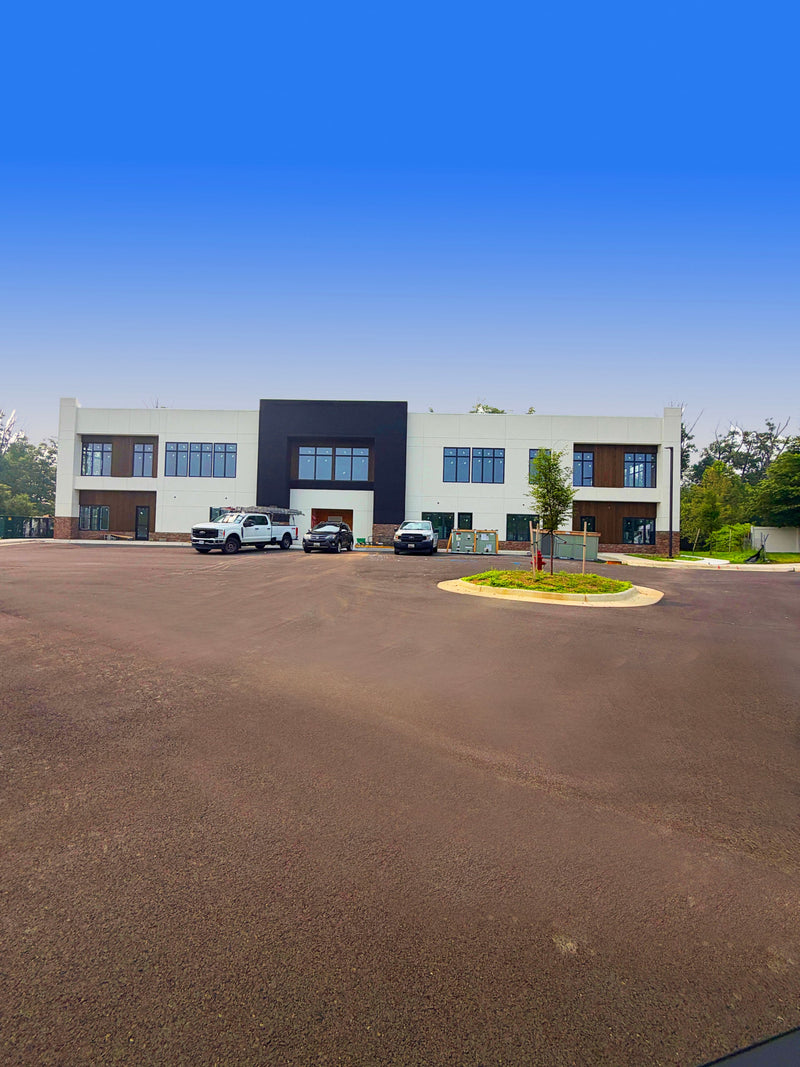
To market a commercial building for lease, first price it using current lease comparables and prepare the space so it shows well. Then define the likely tenant, create accurate marketing materials (a flyer, photos and a clear property description), list the property on commercial databases and online platforms, put up signage, share it with tenant brokers, and screen prospects carefully. The most effective campaigns combine broad exposure with direct outreach to the specific users who fit the space.
Step 1: Define the product before you advertise it
Marketing starts with understanding exactly what you are offering. Gather and verify:
- Size: rentable square footage and any divisible suites. Confirm how it was measured.
- Use and zoning: what the building can legally be used for, and any approvals a tenant might need.
- Physical features: clear height, dock or drive-in doors, parking, power, HVAC, sprinklers, signage rights, and ADA compliance.
- Condition: roof, systems, common areas, and any deferred maintenance that could delay a lease.
- Lease structure: NNN, modified gross or full service, and estimated operating charges. See what CAM is in a commercial lease.
Inaccurate information costs credibility and time. Tenants and their brokers compare square footage and features closely, and discrepancies discovered during tours can stall a deal.
Step 2: Set rent and terms with evidence
Asking rent should come from comparable leases for similar space, in the same submarket, with similar condition and lease structure, not from what the owner needs or what a neighbor mentioned. A broker can pull comparables from a database such as CoStar, which our firm has access to, and explain how adjustments apply. Rent levels vary by submarket and property type and change over time, so a number that worked last year may not work now.
Also decide your concession strategy in advance. Free rent, a tenant improvement (TI) allowance, a longer or shorter term, and rent escalations are all tools. For example, a hypothetical owner might choose to offer a modest TI allowance for a longer lease term rather than lowering the headline rent, because a lower rent affects the building's value for the entire term. Discuss implications with your attorney and CPA.
Step 3: Get the space ready
Condition shapes first impressions. Practical steps that cost little compared with a long vacancy:
- Clean thoroughly, remove debris and old fixtures, and fix visible defects.
- Make sure lights, HVAC, doors and restrooms work.
- Consider fresh paint and flooring where the space is dated.
- Clear exterior areas: landscaping, parking lot striping, trash and signage.
- For vacant space, a basic floor plan helps tenants visualize use.
A "white box" or "warm shell" condition may help some uses, while others prefer to design their own build-out with a TI allowance. A tenant representative can tell you what prospects in your property type typically expect.
Step 4: Build the marketing package
| Item | What to include | Why it matters |
|---|---|---|
| Flyer or brochure | Address, size, features, lease structure, contact, photos, floor plan | The single most-shared document between brokers and tenants |
| Photos | Exterior, interior, loading areas, parking, aerial if available | Prospects decide whether to call based on images |
| Property description | Plain-language summary of use, access and location | Feeds listing sites and search engines |
| Signage | Large, readable sign with phone number | Reaches local businesses driving by |
| Floor plan and site plan | Dimensions and layout | Reduces unneeded tours |
| Disclosures | Known restrictions, shared expenses, use limits | Avoids surprises later |
See our commercial real estate flyers for examples of how we present properties.
Step 5: Distribute where tenants and tenant brokers look
- Commercial listing databases: tenant brokers search these first. CoStar is widely used by commercial brokers.
- Your broker's website: properties for lease on a brokerage site reach local users. See our properties for lease page for how we present available space. At the time of writing, current examples include a 10,000 SF flexible commercial space on Liberia Ave in Manassas; availability changes, so confirm with us.
- Broker outreach: email and call tenant representatives who have clients with matching needs.
- Direct outreach: neighboring businesses that may need more room, and companies in the property's niche.
- On-site signage: easy to forget, often one of the highest-converting channels for small and local users, subject to local sign rules.
- Social and professional networks: useful for small retail and office users.
Target the right audience. A warehouse near Route 28 or I-66 will attract different prospects than a retail suite on a Route 1 corridor shopping center or an office near Reston or Tysons. Tailor the message to the likely user.
Step 6: Handle inquiries and tours professionally
Respond quickly and keep a log of inquiries. Before touring, ask basic questions: what the business does, how much space it needs, when it must occupy, and who makes the decision. Walk the space ahead of time, and have the keys, lighting and access ready. Follow up after each tour in writing.
Step 7: Screen tenants and negotiate
A tenant who will not pay is worse than an empty space. Request a financial statement or tax returns where appropriate, business history, references and a description of the intended use. Weigh the security deposit, a possible personal guaranty, and whether the use fits the building and other tenants. For more on screening, read how to find qualified tenants for your commercial property.
When a prospect is serious, move to a letter of intent to align the main terms before attorneys draft the lease. Our guide on how a commercial real estate letter of intent works explains the process, and how to negotiate a better commercial lease shows how tenants approach it, which is useful for owners to anticipate.
Track results and adjust
Treat the first weeks as a test. Count calls, emails and tours, and note what prospects say about price, condition and layout. If you get many inquiries but few tours, the listing may be misleading or the photos weak. If you get tours but no offers, pricing, condition or lease terms are the likely cause. Adjust one variable at a time so you can tell what worked, and revisit comparables if the market has moved since you set your asking rent.
Common marketing mistakes
- Overpricing and waiting months to adjust.
- Using poor photos or incomplete descriptions.
- Leaving out key details such as zoning or NNN charges.
- Slow response to inquiries.
- Ignoring tenant brokers, who represent a large share of prospects.
- Accepting the first offer without screening credit.
When to bring in a broker
Owners who have the time and experience can market a small space themselves. Many prefer a broker for pricing, database exposure, tenant broker relationships and negotiation, especially for larger or more complex buildings. Our landlord representation service covers this work, and why commercial property owners need landlord representation explains the reasoning. If you are ready to advertise a space, you can submit it through our list a property page.
Next step
If you have a vacant building or an upcoming expiration in Northern Virginia, we can review your space, recommend pricing supported by comparables, and build a marketing plan. Call 703-505-3501 or contact us online.
Frequently asked questions
How do I advertise a commercial property for lease?
List it on commercial databases and local sites, create a flyer with accurate details and photos, install signage, and share it with tenant brokers. Direct outreach to likely users often works best.
How should I price a commercial space for lease?
Use recent lease comparables for similar space in the same submarket and adjust for condition, size and lease structure. A broker with database access can help. Avoid pricing from hope or a single anecdote.
How long does it take to lease commercial space?
It varies widely by property type, condition, price and market conditions. Planning for the time needed to market, negotiate and complete a build-out helps you avoid surprises.
What should be in a commercial lease flyer?
Address, size, key features, zoning or permitted use, lease structure, photos, a floor plan if available, and contact information. Accuracy matters more than adjectives.
Should I offer free rent or a TI allowance?
Concessions can attract tenants and maintain headline rent, but they affect your income and cash flow. Evaluate them with comparables and discuss the impact with your CPA.
Do I need a broker to lease my building?
No, but a broker offers pricing support, broader exposure, relationships with tenant brokers and negotiation experience. Compare the cost with the value of reduced vacancy and stronger terms.