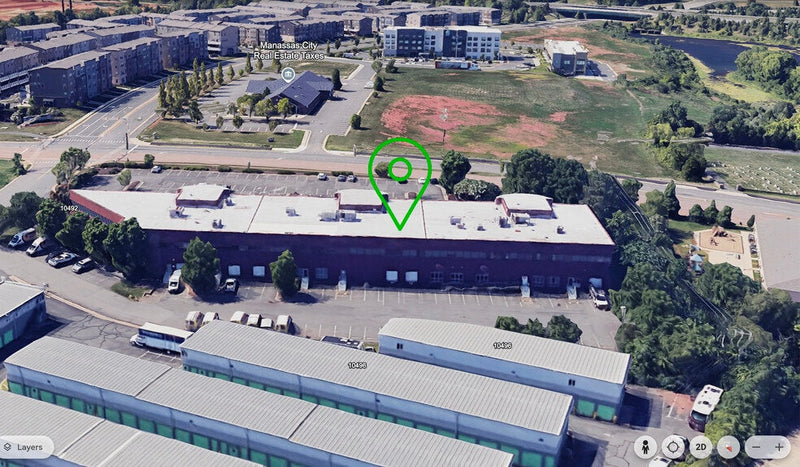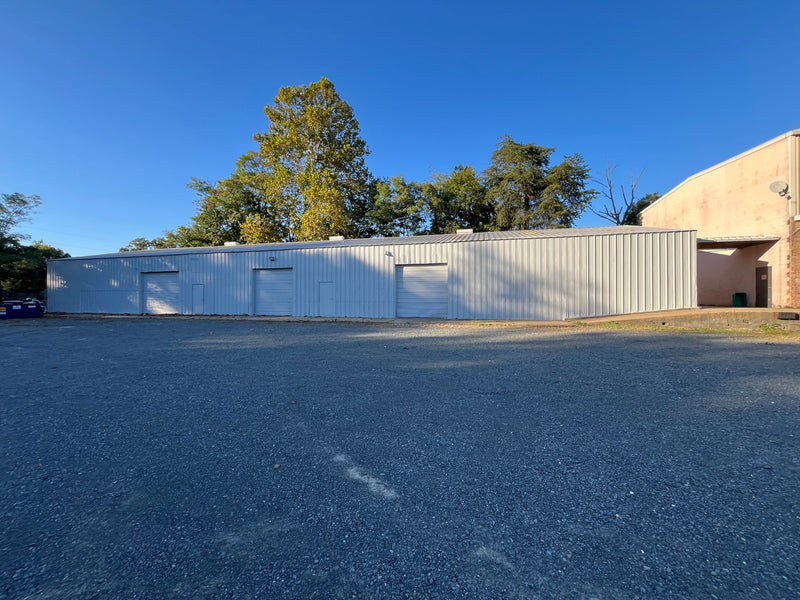
The main benefit of investing in a multi-tenant commercial building is diversified income: when one tenant leaves or stops paying, the others keep paying rent, so a single vacancy rarely wipes out cash flow. Multi-tenant properties can also offer rent growth through lease turnover, value-add upside, and operating efficiencies. The trade-offs are more management work, more frequent leasing, and more complex leases to administer.
What counts as a multi-tenant building
A multi-tenant property has two or more separate tenants under separate leases. Common types in Northern Virginia include small office buildings, neighborhood shopping centers and strip centers, flex and light industrial parks, and mixed-use buildings with retail below and offices above. A single-tenant property, by contrast, is leased to one occupant, often on a long-term triple net basis.
The key benefits
1. Diversified income and lower concentration risk
If a building has eight tenants, losing one affects roughly one-eighth of the space. With a single-tenant building, a vacancy means zero rent until a replacement is found, while taxes, insurance, and loan payments continue. Spread of tenants and industries also helps when one business category slows down.
For example (hypothetical): a building produces $400,000 a year in rent from five equal tenants. If one leaves, rent drops to $320,000, a 20 percent decline. A single-tenant building with the same $400,000 income falls to zero. The numbers are illustrative only, and actual results depend on lease terms, expenses, and how quickly space is re-leased.
2. Opportunities to grow income
Short and medium lease terms let owners reset rents more often. If market rents rise, the owner can capture that increase at each renewal or new lease, rather than waiting many years for a long lease to expire. Scheduled annual rent escalations in each lease add steady growth. Of course, the reverse is also true: if market rents fall, owners may re-lease at lower rates.
3. Value-add potential
Multi-tenant buildings often offer ways to increase net operating income (NOI) through active ownership:
- Filling vacant suites
- Replacing below-market leases as they expire
- Improving common areas, signage, or parking
- Reconfiguring space to attract smaller or larger users
- Correcting under-billed expense reimbursements
Because value is tied to NOI, an increase in NOI can increase the building's value. Our guides on calculating NOI and cap rates explain how that works.
4. Expense sharing and operating efficiency
In a NNN or modified gross structure, tenants reimburse their share of taxes, insurance, and common area maintenance. That shifts a large part of the operating costs away from the owner. See what is a triple net lease and what is CAM for details. Shared maintenance, landscaping, and management across several tenants can spread fixed costs.
5. Flexibility for an exit and for financing
Multi-tenant buildings tend to appeal to many types of buyers, from local investors to private groups, because a range of price points and strategies can apply. Lenders often look at the rent roll, tenant mix, and lease expirations to underwrite a loan, so a stable and diversified rent roll may support financing.
6. Demand from small and mid-sized businesses
Northern Virginia has a large base of small and mid-sized businesses, including contractors, professional services, medical and wellness users, logistics companies, and retailers serving local communities. Many of these users want suites of a few thousand square feet rather than whole buildings, which can create steady demand for appropriately sized space. Demand varies by submarket, property condition, and location along corridors such as I-66, Route 28, Route 1, and the Dulles corridor, so verify with current local data rather than assuming.
The trade-offs and risks
- More active management. More tenants mean more leases, more tenant requests, collections, and maintenance coordination. Many owners hire a property manager, which adds a management fee.
- Higher leasing and turnover costs. Each new tenant may require commissions, tenant improvement allowances, free rent, and downtime between tenants.
- Smaller tenants can carry more credit risk. Local businesses may not have the financial strength of a national credit tenant.
- Lease complexity. Each lease has its own terms, options, exclusives, and expense definitions. Mistakes in billing common area costs can lead to disputes.
- Capital needs. Roofs, parking lots, and HVAC are owner responsibilities in many structures, and spending can be uneven.
- Market sensitivity. Shorter leases expose income to market swings more quickly.
Multi-tenant vs. single-tenant
| Factor | Multi-tenant | Single-tenant |
|---|---|---|
| Income stability | Spread across several tenants | Depends on one tenant |
| Vacancy impact | Partial | All or nothing |
| Management effort | Higher | Usually lower, especially under NNN |
| Lease term | Often shorter, staggered | Often longer |
| Upside through active management | More opportunity | Typically limited |
| Rent growth | Captured at rollover | Set by lease escalations |
How to evaluate a multi-tenant building before buying
- Study the rent roll. Look at tenant mix, rents compared to market, and lease expiration schedule. See how to analyze a commercial property rent roll.
- Verify income and expenses. Compare operating statements with leases and bank records, and request tenant estoppels.
- Understand the lease structures. Know who pays what, and whether reimbursements are being fully collected.
- Assess physical condition. Inspect the roof, parking, systems, and any deferred maintenance.
- Test the market. Compare rents and vacancy for similar properties using CoStar data or a broker's analysis. Market conditions differ across Fairfax, Loudoun, and Prince William counties, so avoid averages.
- Model downside cases. Estimate what happens if one or two large tenants leave, or if rent must be reduced to re-lease space.
- Plan the management approach. Decide whether you will self-manage or hire a professional manager, and budget accordingly.
For a broader framework, see how to evaluate a commercial real estate investment. Consult your CPA and attorney on tax, entity, and legal questions, as this article is general information and not investment, tax, or legal advice.
A hypothetical stress test
Before buying, run a simple downside case. For example (hypothetical), suppose a building has six tenants and you assume the two largest leases expire in the same year and each space sits vacant for several months before being re-leased with a commission and a TI allowance. Subtract the lost rent, the leasing costs, and the expenses you would carry on empty space, then check whether the property still covers its loan payment and reserves. If it only works when every tenant renews, the price or the financing may be too aggressive. This kind of test reveals the real risk in a multi-tenant building far better than a single-year NOI figure.
Where to look
Multi-tenant properties show up as small office buildings, strip centers, and flex parks. You can browse current commercial properties for sale, review shopping centers for sale in Northern Virginia, and see our investment opportunities page. One current listing example is the Minnieville Shopping Center in Woodbridge, which is listed for sale. Check the listing for current availability and details.
Next step
If you are considering a multi-tenant building, we can help you find candidates, review rent rolls, and compare opportunities. Call 703-505-3501 or reach us through our contact page.
Frequently asked questions
What is a multi-tenant commercial building?
It is a property leased to two or more separate tenants under separate leases, such as a small office building, strip center, or flex park.
Is a multi-tenant building a better investment than a single-tenant building?
Neither is always better. Multi-tenant buildings offer diversified income and upside through active management but need more work. Single-tenant buildings can be simpler, with longer leases, but carry concentration risk.
How does vacancy affect a multi-tenant property?
Vacancy reduces income and may raise the share of expenses the landlord bears, but a single vacancy typically affects only part of total rent. Underwriting should include a vacancy and credit loss allowance.
Do multi-tenant buildings need a property manager?
Many owners hire one because of the number of leases, collections, and maintenance needs. The management fee is an operating expense that should be included in your NOI analysis.
What leases are common in multi-tenant buildings?
Triple net, modified gross, and full service leases are all common. The structure determines which expenses tenants reimburse and which the owner pays.
What should I check before buying one?
Review the rent roll, leases, estoppels, operating statements, physical condition, and local market rents and vacancy, ideally with a broker and your attorney and CPA.