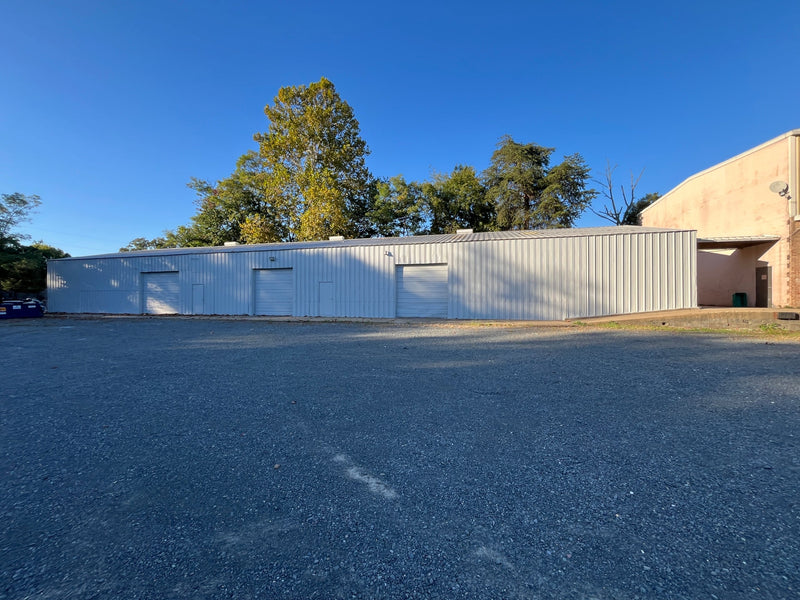
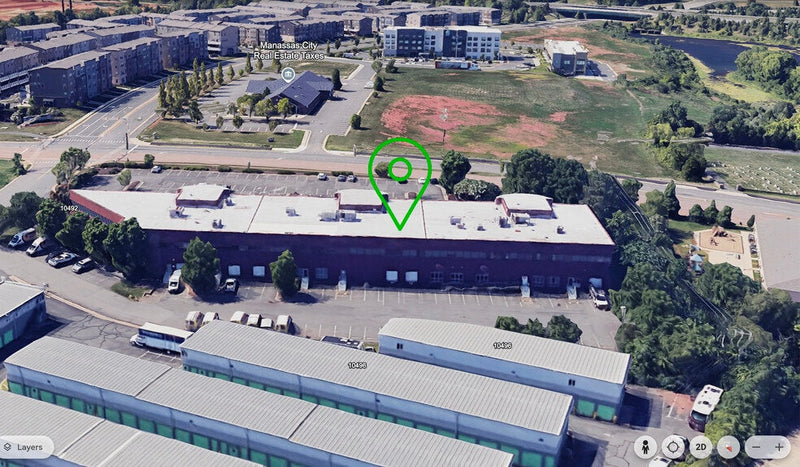
You can buy a shopping center in Northern Virginia through a commercial broker's active listings, through database searches in tools such as CoStar, through direct outreach to owners, and through off-market introductions. Most buyers find the best fit by combining these channels and by narrowing the search to a corridor, a center type (strip, neighborhood, or grocery-anchored) and a price range before touring anything. The sections below explain where to look and what to check.
Where shopping centers for sale are found
No single website lists every shopping center in the region. Serious buyers work several sources at once:
- Broker listings. Brokerages publish the properties they are marketing. You can browse our shopping centers for sale in Northern Virginia and our broader retail space for sale pages, which include currently available properties.
- Commercial databases. CoStar, which our firm has access to, shows ownership, past sales, tenant lists and building data, so a broker can identify centers that fit your criteria even if they are not advertised.
- Direct owner outreach. Many centers are held for decades by the same family or partnership. A broker can contact owners who have not listed but may consider an offer.
- Off-market and pocket listings. Some sellers want discretion because tenants or lenders should not hear about a sale early. See our guide to finding off-market commercial real estate.
As one example of a current opportunity, we list Minnieville Shopping Center in Woodbridge, VA (2826 Garber Way). Contact us for current pricing and details.
Know the types of shopping centers
"Shopping center" covers several different investments. Each has a different tenant base, risk profile and management workload.
| Type | Typical tenants | What to watch |
|---|---|---|
| Strip center | Local restaurants, salons, service businesses, small shops | Short leases, frequent turnover, owner-operated tenants with thin financials |
| Neighborhood center | Pharmacy, small grocer, dry cleaner, medical or dental users | Dependence on one or two anchor tenants |
| Grocery-anchored center | A supermarket plus small-shop tenants | Anchor lease term, co-tenancy clauses, and renewal options |
| Mixed-use or flex retail | Retail on the ground floor with office or service space above or behind | Parking ratios and zoning for each use |
Northern Virginia centers range from small strips along Route 1 in Woodbridge and Route 28 near Manassas to larger neighborhood centers in Loudoun County. Traffic counts, visibility and the surrounding rooftops matter more than the address alone.
Choose a corridor before you choose a property
Retail performs along roads that people already drive for daily errands. Think about:
- Commuter routes. I-95, I-66, Route 28 and the Dulles Toll Road carry large daily volumes of drivers who stop for coffee, groceries and services on the way home.
- Residential density. Neighborhood centers depend on nearby households. Growing areas in Prince William and Loudoun counties support different tenants than older, established neighborhoods inside the Beltway.
- Competing centers. A new center with a national grocer a mile away can change the fortunes of an older one.
- Ingress and egress. Right-in, right-out access, medians and signal timing affect how easily shoppers can reach the lot.
Rents, vacancy and pricing vary widely by submarket and by property, so we do not quote regional averages here. A broker can pull current comparable sales and leases for your target area.
What to analyze before you make an offer
Shopping centers are valued mostly on income, so the paperwork matters as much as the building.
- Rent roll. The rent roll lists every tenant, suite size, rent, lease start and expiration, and any options. Look for lease expirations bunched in the same year and for tenants who are behind on rent. Our post on how to analyze a rent roll walks through this.
- Operating statements. Compare the seller's income and expense figures to the leases. Confirm what is reimbursed under NNN (triple net) leases and whether the landlord is absorbing costs it should be passing through.
- Net operating income (NOI). NOI is income minus operating expenses, before debt service. See how to calculate NOI.
- Cap rate. The capitalization rate is NOI divided by price. It helps compare centers but says nothing about risk on its own. Read what a good cap rate means.
- Anchor and co-tenancy terms. Some small-shop tenants can reduce rent or leave if an anchor closes.
- Physical condition. Roof, parking lot, storm drainage, HVAC units, lighting and signage are costly. A property condition report is a normal part of due diligence.
- Zoning and use restrictions. Check permitted uses, parking requirements and any restrictions that limit which tenants you can sign, such as exclusives granted to existing tenants.
A hypothetical example of the math
For example, suppose a small center collects $600,000 in annual rent and expense reimbursements and spends $180,000 on taxes, insurance, maintenance and management. NOI would be $420,000. If a buyer were evaluating a price of $6,000,000, the cap rate would be 7 percent ($420,000 divided by $6,000,000). These numbers are hypothetical and are not current market figures. The point is that every dollar of rent that is overstated, or every dollar of expense that is understated, changes the value significantly. That is why verifying income against leases and bills is the heart of due diligence.
Financing and ownership considerations
Lenders typically underwrite shopping centers on the property's income, not just the buyer's credit. They look at debt service coverage, tenant quality and lease length. Ask your lender early what they will require, and consider forming an ownership entity with the advice of an attorney and CPA. Whether to buy outright, with partners or through a 1031 exchange are tax and legal questions for your professional advisors.
How a buyer's broker helps
A buyer's broker screens properties against your criteria, finds off-market options, pulls comparable sales, prepares an analysis, drafts a letter of intent and coordinates due diligence with your attorney, lender and inspectors. If you are still deciding between asset types, review our overview of 6 types of commercial real estate investments and our investment opportunities page, or read how to evaluate a commercial real estate investment.
Questions to ask the seller or listing broker
- Why is the owner selling, and how long has the property been held?
- Which tenants have renewed recently, and which have asked for rent relief?
- Do any tenants have exclusive-use rights, purchase options or rights of first refusal?
- What capital work has been done on the roof, paving and building systems, and what is expected in the next few years?
- Are tenants current on common area maintenance reconciliations, and have there been disputes?
- Will the seller provide tenant estoppel certificates, which are signed statements from each tenant confirming their lease terms?
Clear, documented answers are a good sign. Vague answers suggest that the numbers need a closer look before you commit earnest money.
Next step
If you are looking to buy a shopping center or strip retail property in Northern Virginia, call us at 703-505-3501 or use our contact page. We can discuss your budget, target corridors and timeline and share what we are seeing.
Frequently asked questions
Where can I find shopping centers for sale in Northern Virginia?
Start with broker listings, commercial databases like CoStar, and off-market introductions from a broker who contacts owners directly. You can begin with our shopping centers for sale page.
How much does a shopping center cost?
It depends on size, location, tenants, lease terms and condition. Centers are priced mainly on net operating income and cap rate, so two similar-looking buildings can sell for very different prices. Contact us for current pricing on specific properties.
What is a grocery-anchored shopping center?
It is a center where a supermarket is the main tenant and draws regular traffic to the smaller shops around it. The anchor's lease length and any co-tenancy clauses are important to evaluate.
Do I need a broker to buy a shopping center?
You are not required to use one, but a broker provides market data, access to off-market opportunities, analysis and negotiation support. Buyers typically also engage an attorney, lender, CPA and inspectors.
What is due diligence on a shopping center?
It is the review period after a contract is signed in which you verify leases, financials, tenant estoppels, title, survey, environmental conditions and physical condition before closing.
Is a shopping center a good investment?
That depends on your goals, the tenants, lease terms, location and financing. Retail income can be stable when leases are long and tenants are strong, but vacancies and tenant failures are real risks. Consult a CPA and your advisors.