You can find industrial buildings for sale in Northern Virginia through a commercial broker's listings, commercial real estate databases such as CoStar, public listing platforms, direct outreach to owners and off-market introductions. The most efficient approach is to define your building requirements and target submarkets, then work with a buyer's broker who can see available inventory and screen it against your needs before you tour.
Who buys industrial buildings, and why
Industrial buyers fall into two groups. Owner-users buy a building to operate their own business in it: a distributor, contractor, manufacturer or service company. Investors buy to lease the building to tenants and collect rent. The same building can fit either, but the way you evaluate it differs. Owner-users care about layout and function. Investors care about income, tenants and resale. Our guide on how to evaluate a commercial real estate investment covers the investor side.
Where to look
1. Broker listings
Commercial brokers market many industrial properties directly. Our own pages are a starting point: industrial properties for sale in Northern Virginia and warehouses for sale in Northern Virginia. You can also narrow by area, such as Loudoun County or Prince William County.
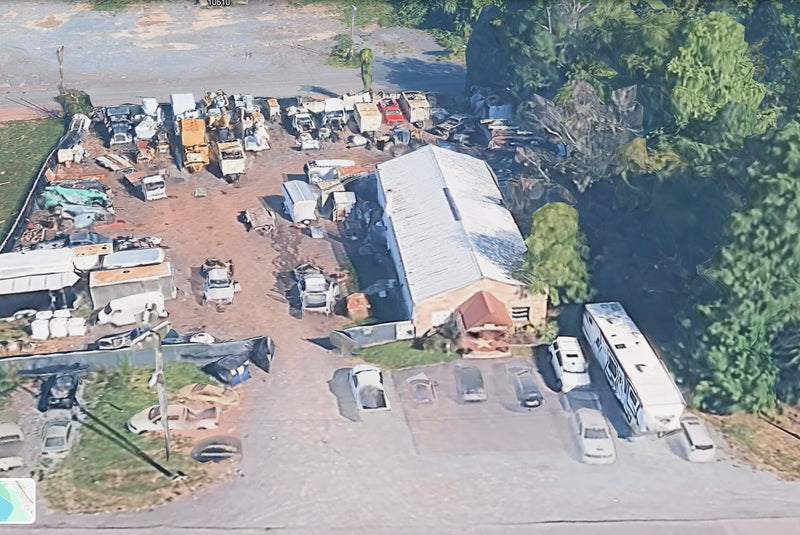
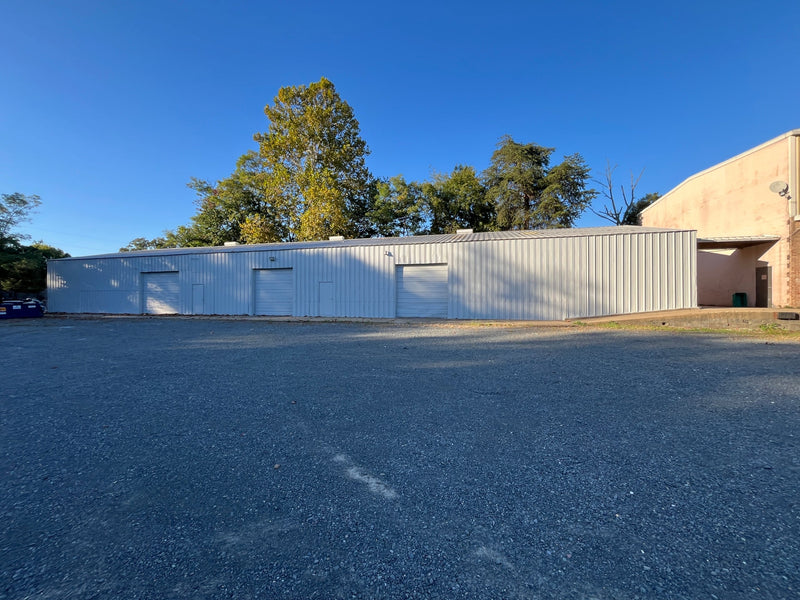
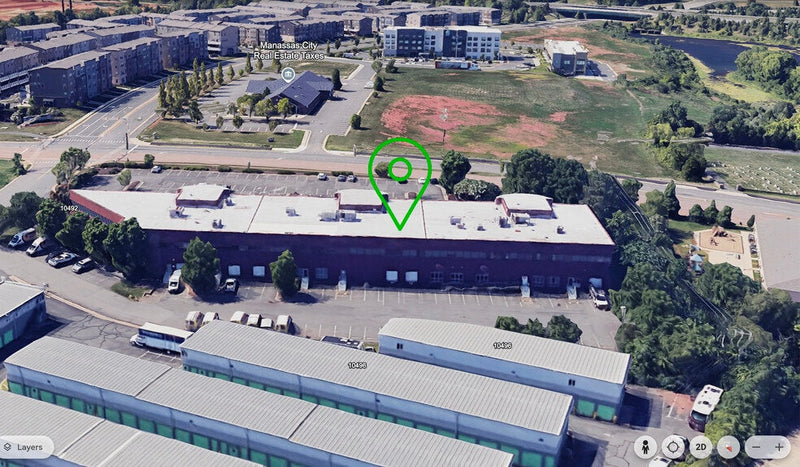
For a sense of what a listing looks like, see 10498 Colonel Ct in Godwin Business Park, Manassas and this 0.94-acre parcel with I-1 zoning in Manassas for buyers considering land to build on. Availability changes, so confirm status with us before relying on any listing.
2. Commercial databases
Platforms like CoStar track listings, sales history, ownership and comparable sales. Our access to CoStar helps us find properties that match your criteria and benchmark pricing against recent sales.
3. Public listing sites and signs
General online platforms and for-sale signs reveal some inventory, especially smaller buildings. Do not rely on them alone; a building with a sign may already be under contract.
4. Off-market and owner outreach
Not every building is publicly listed. Some owners will consider selling if approached with a serious offer. A broker can contact owners on your behalf, identify properties that fit and make introductions. We discuss this approach in how to find off-market commercial real estate properties.
5. Buyer representation
A buyer's broker brings all of these sources together, screens opportunities and negotiates price and terms. See how brokers help buyers find investment properties.
Industrial building types you will see
| Type | Typical features | Common buyers |
|---|---|---|
| Single-tenant warehouse | One user, dock and/or drive-in doors, yard | Owner-users, net-lease investors |
| Multi-tenant industrial | Several units under one roof, shared parking | Investors, owner-users who lease out extra units |
| Flex building | Office frontage with warehouse behind | Contractors, service firms, light industrial users |
| Manufacturing facility | Heavy power, specialized floors, higher ceilings | Manufacturers |
| Industrial land | Zoned parcel for development or yard use | Developers, fleet operators, builders |
Where industrial users tend to look in Northern Virginia
- Manassas and Prince William County. Industrial parks near I-66 and Route 28, with connections toward I-95.
- Loudoun County and the Dulles corridor. Close to Dulles Airport and Route 28. Ashburn is known for its data center cluster, which has influenced land demand and pricing in the area.
- I-95 and Route 1 corridor. Woodbridge, Lorton and Springfield offer access toward Washington, DC and the Beltway.
- Fairfax County. Chantilly, Springfield and nearby areas have established industrial and flex space.
Pricing differs by submarket, size, age, clear height and condition. We do not publish regional averages because they shift; ask for a current broker opinion or appraisal. Our overview how much commercial property costs in Northern Virginia explains how to find real numbers.
What to check before you make an offer
- Zoning and permitted use. Confirm that your intended use is allowed, including outdoor storage and truck parking if needed.
- Building specifications. Clear height, doors, power, column spacing, floor condition and sprinkler system.
- Physical condition. Roof, HVAC, paving and dock equipment. Order an inspection.
- Environmental risk. Industrial sites may have contamination history. Buyers often order a Phase I environmental assessment.
- Title and survey. Check easements, boundaries and restrictions.
- Tenant leases, if any. For occupied buildings, review each lease, the rent roll and expense history.
- Financing. Talk with a lender early about loan terms, down payment and appraisal timing.
A closer checklist appears in what you should know before buying an industrial warehouse.
A hypothetical income example for investors
For example, suppose a hypothetical building produces $400,000 in annual rent and has $100,000 of operating expenses the owner must cover. Its net operating income (NOI) would be $300,000. At a hypothetical $4,000,000 price, the capitalization rate is 7.5 percent ($300,000 divided by $4,000,000). These figures are made up for illustration only and are not market data. Actual cap rates vary by property and conditions.
Buyer's process in brief
- Define criteria and budget.
- Search listings and off-market sources.
- Tour and shortlist.
- Submit a letter of intent.
- Negotiate and sign a purchase contract.
- Complete due diligence and financing.
- Close.
General background on process is on our acquisitions page and our investment opportunities page. Consult your attorney, lender and CPA; this article is not legal, tax or financial advice.
Owner-user or investor: how the search differs
An owner-user starts with the building's function. Can trucks turn on the site? Does the layout fit your workflow? Is there room to grow? An investor starts with income and risk: Who are the tenants, when do leases expire, and what must the owner pay for? Owner-users sometimes buy a multi-tenant building and occupy one unit, using rent from the others to offset costs. That structure can work, but it also makes you a landlord, with all the responsibilities that implies.
If you are an investor, ask for the rent roll, a summary of every lease and trailing operating expenses before you make an offer. If you are an owner-user, ask for the permits and certificates of occupancy, the roof and HVAC age, and any history of repairs. Either way, compare the asking price with recent sales of similar buildings rather than with other asking prices.
Common mistakes industrial buyers make
- Falling in love with a building before confirming zoning and permitted use.
- Overlooking truck access, turning radius and yard space.
- Skipping a roof inspection on an older building.
- Underestimating the cost of bringing power or fire protection up to what the business needs.
- Waiting to talk with a lender until after the contract is signed.
- Assuming an asking price equals market value.
Questions to ask the seller or listing broker
- Why is the owner selling, and is the building vacant or occupied?
- What are the roof, HVAC and paving ages, and what repairs were made recently?
- What are the actual real estate taxes, insurance and maintenance costs?
- Are there any environmental reports, surveys or permits available?
- If leased, when do leases expire and do tenants have renewal or purchase rights?
Next step
If you are looking for an industrial building in Northern Virginia, call us at 703-505-3501 or use our contact page. You can also view current inventory on our properties for sale page.
Frequently asked questions
Where can I find industrial buildings for sale near me?
Start with a local commercial broker's listings, commercial databases and public listing platforms, then ask about off-market opportunities. Search by submarket and building requirements.
How much does an industrial building cost in Northern Virginia?
It depends on size, location, age, clear height, condition and whether it is leased. Ask for recent comparable sales from a broker or an appraiser rather than relying on general averages.
Should I buy an industrial building or lease one?
Buying suits long-term users with capital and stable plans; leasing suits those who need flexibility. See whether to buy or lease commercial property.
What is clear height and why does it matter when buying?
Clear height is the usable vertical space inside the building. It affects racking, equipment and resale appeal to future users.
Do I need an environmental report to buy an industrial property?
It is common and often required by lenders. A Phase I environmental site assessment reviews the property's history for potential contamination. Your attorney and lender can advise.
Can I buy industrial land to build on?
Yes, if zoning permits your use. Check utilities, access, setbacks, permitting requirements and costs before you commit.