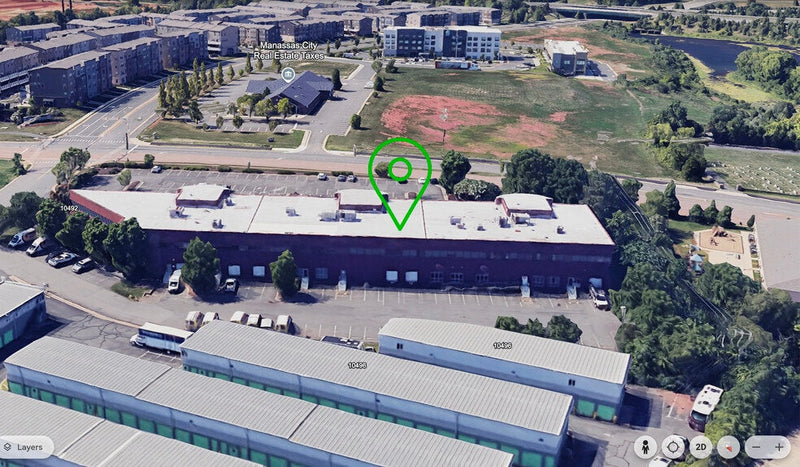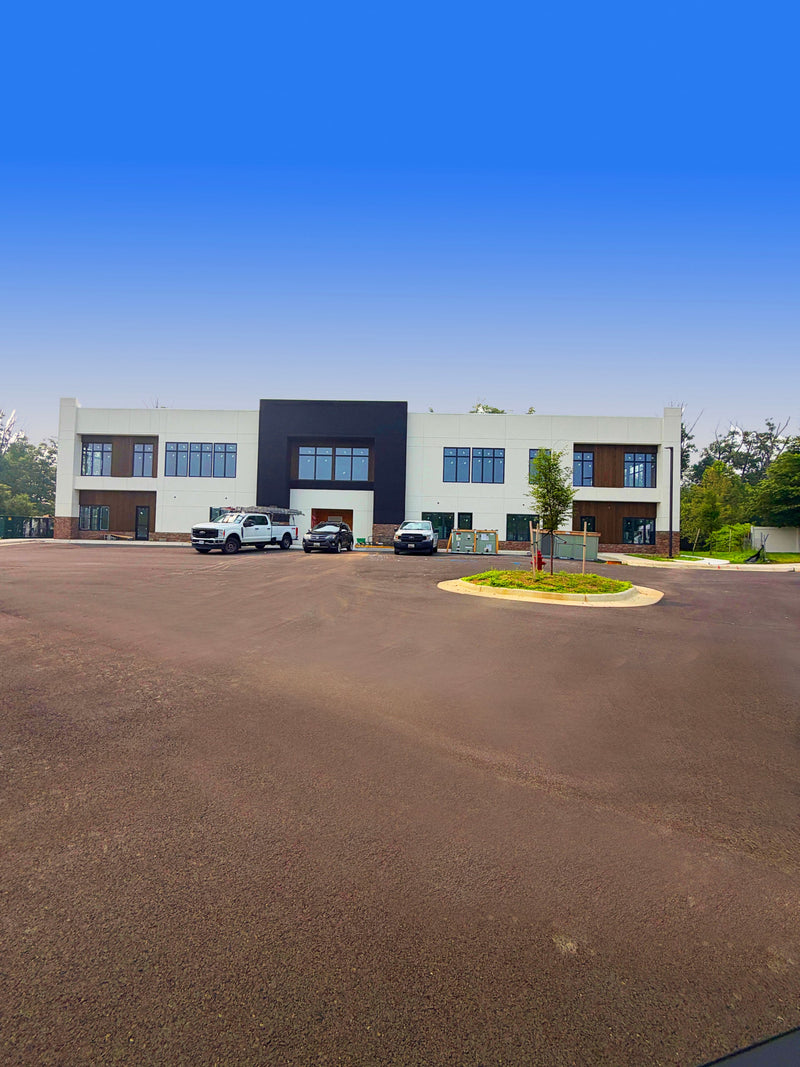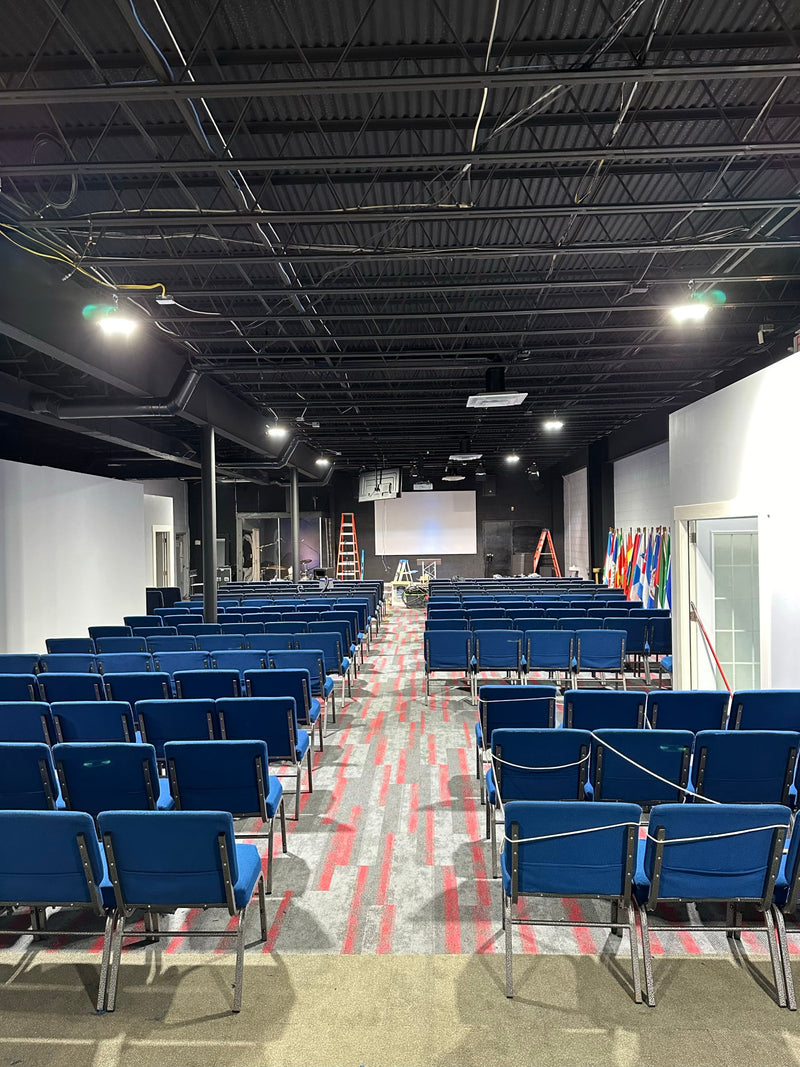
A commercial building has redevelopment potential when the land could support a more valuable use, or a much better version of the current use, than the building delivers today, and when zoning, physical conditions and the numbers allow that change to be made legally and profitably. The signs are usually a gap between what is built and what is allowed, a building near the end of its useful life, outdated design, and a location whose demand has shifted. Spotting the opportunity takes both site analysis and a hard look at the costs.
What "redevelopment potential" actually means
Redevelopment is a broader idea than renovation. A renovation improves an existing building for the same use. Redevelopment changes what the property is: a tired strip center becomes a mixed-use project, an obsolete office building becomes medical or residential space, or a low-slung building on a large lot is replaced with something denser. Between those two sits a middle path, repositioning, where the building stays but the tenant mix, finishes and rents are reset.
Investors chase these properties because value comes from the plan rather than only from in-place rent. The trade-off is that the risk is also in the plan. Entitlements can be denied, construction costs can rise, and the market you underwrote can move before you finish. Treat potential as a hypothesis to test, not a fact about the building.
Six signals that a building may have redevelopment potential
1. A gap between current use and zoning
The clearest signal is a site where zoning allows more than what is there. A one-story building on a lot whose zoning permits greater height, density or a wider range of uses is carrying unused capacity. The reverse is also worth knowing: some older buildings are "legal nonconforming," meaning they were built under earlier rules and may not be rebuilt as-is if they are demolished. Confirm which situation applies before you assume anything.
2. Underused land relative to the building
Large parking lots, excess land behind a building, or a pad site that was never developed can be valuable on their own. Sometimes the land can be subdivided or developed separately while the existing building keeps producing income. Our post on retail buildings with pad sites covers that idea for retail.
3. Functional obsolescence
Buildings become obsolete in ways the rent roll does not show: low clear height for modern warehouse users, inefficient floor plates for offices, poor parking ratios, limited loading, or layouts that tenants no longer want. When a building is hard to lease at competitive rent because of design rather than condition, a significant renovation or replacement may unlock value.
4. Deferred maintenance and a short remaining useful life
An aging roof, mechanical systems or parking surface can push a building toward a decision point: spend heavily to keep it going, or reinvest in a bigger plan. Low-quality properties (often called Class C) with expiring leases may be easier to reposition because there is less long-term income to protect.
5. Short-term or month-to-month leases
Redevelopment usually requires a vacant or nearly vacant building, or leases that can be terminated. Existing leases with long remaining terms can block a project or require buyouts. Reading the leases carefully is part of the first week of due diligence. See our guide to analyzing a commercial rent roll for the lease details that matter.
6. A changing neighborhood
New transit, road improvements, nearby employers or new residential development can shift demand. In Northern Virginia, corridors such as Route 1, Route 28, the Dulles corridor, Tysons and Reston have each seen redevelopment interest tied to infrastructure and employment. Whether a specific site benefits depends on the parcel, local plans and timing, so verify with the county rather than relying on the corridor's reputation.
Check zoning and entitlements before anything else
Zoning is the gatekeeper. Before spending on engineering or architecture, answer these questions with the local planning office, a land-use attorney or both:
- What does the current zoning allow by right, and what would require a rezoning, special exception or variance?
- What is the comprehensive plan's stated vision for the area? A rezoning that matches the plan is more plausible than one that does not.
- Are there height, setback, parking, stormwater or landscaping requirements that shrink the buildable area?
- Is any part of the site subject to proffers or conditions from an earlier rezoning?
- How long do approvals typically take in that jurisdiction, and are there required public hearings?
Fairfax, Loudoun and Prince William counties and the independent cities such as Manassas each run their own processes, and timelines vary. Time matters financially because you carry the property, taxes and financing during the approval period.
Physical and environmental due diligence
A promising site can fail on conditions you cannot see from the street. Typical items to investigate include:
- Environmental: a Phase I environmental site assessment is standard; older gas stations, dry cleaners and industrial sites need extra attention.
- Soils and topography: grade, drainage and soil conditions affect foundation and site costs.
- Utilities: capacity for water, sewer, electric and any needed upgrades, and who pays for them.
- Floodplain and wetlands: these can reduce the buildable area or add permitting steps.
- Access: curb cuts, turn lanes and road-frontage rules can limit how a site is used.
- Existing structure: whether the building can be reused, how much demolition costs, and whether hazardous materials such as asbestos are present.
Run the numbers: a hypothetical example
Redevelopment math is built on a simple comparison: what the finished project is worth versus the total cost to get there, including land, construction, soft costs, carrying costs and a return for the risk. The figures below are hypothetical and only illustrate the structure.
| Line item (hypothetical) | Amount |
|---|---|
| Purchase price of existing building | $2,000,000 |
| Demolition, site work and construction | $3,000,000 |
| Design, permits, legal, fees | $400,000 |
| Interest and carrying costs during the project | $300,000 |
| Total project cost | $5,700,000 |
| Stabilized NOI of finished project | $400,000 |
| Yield on cost ($400,000 / $5,700,000) | about 7.0% |
The key figure is yield on cost, the stabilized net operating income divided by total cost. Developers compare it to the cap rate at which similar finished buildings trade. If similar stabilized properties are priced at a lower cap rate than your yield on cost, the project may create value; if not, the spread may be too thin to justify the risk. Current cap rates and rents vary by submarket and property, so get comparables from CoStar, a broker's analysis or an appraisal. For the underlying math, see how to calculate NOI and what a good cap rate means.
Stress-test the example. What happens if construction costs are 10 percent higher, the project takes six months longer, or lease-up is slower than planned? If the deal only works under perfect assumptions, it is not a safe deal.
Reposition, renovate or redevelop: choosing the path
| Path | What changes | Typical risk |
|---|---|---|
| Reposition | Management, tenant mix, light updates | Lower; depends on re-leasing |
| Renovate or adaptive reuse | Interior and systems; sometimes a new use | Moderate; permits and hidden conditions |
| Redevelop | Demolish and rebuild, or major addition | Highest; entitlements, cost and timing |
Many investors start with the lowest-risk path that captures most of the value. A multi-tenant building with below-market rents and dated finishes might be a repositioning story rather than a teardown. We discuss that situation in below-market rent: opportunity or risk.
Mistakes to avoid
- Assuming zoning will change. Make the offer contingent on approvals, or price the property as if the best use is what is allowed today.
- Underestimating time. Entitlement, permitting, construction and lease-up can each take longer than planned.
- Ignoring existing leases. Lease terms and termination rights decide whether you can start on schedule.
- Skipping financing questions. Construction and land loans differ from standard acquisition loans in terms, leverage and reporting.
- Going without a team. Experienced land-use counsel, a civil engineer, an architect and a contractor reduce surprises.
Consult an attorney, a CPA and qualified engineers on legal, tax and technical questions; a broker can help with the market side and with identifying candidates.
Where to look in Northern Virginia
Older retail centers, aging office parks, underbuilt sites near transit or major roads, and land with unused capacity are common starting points. Our commercial land for sale in Northern VA page and the properties for sale page show current inventory, and off-market sourcing can surface owners who have not listed. A guide to finding commercial land for development covers the land side in more detail, and our investment opportunities page outlines how we work with buyers.
Next step
If you are evaluating a building you think could be more than it is today, we can help you pull comparables, review the property and think through whether the numbers support a plan. Call 703-505-3501 or use our contact page.
Frequently asked questions
What is redevelopment potential in commercial real estate?
It is the ability of a property to be changed into a more valuable use, or a significantly better version of its current use, under the zoning and physical constraints that apply. It is a hypothesis that must be confirmed through zoning review, due diligence and financial analysis.
How do I know if a commercial property can be rezoned?
Review the current zoning, the local comprehensive plan and the approval process with the planning office and a land-use attorney. A request aligned with the plan is generally more plausible, but approval is never guaranteed.
What is yield on cost?
Yield on cost is the projected stabilized net operating income of a project divided by its total cost. Investors compare it to the cap rate of similar completed properties to see whether building or repositioning creates value.
Is a building with long leases a good redevelopment candidate?
Usually not at first. Long leases can delay or block a project unless they have termination rights or can be bought out. Properties with short-term or expiring leases are typically easier to redevelop.
Should I buy first and seek approvals later?
That is a risk decision. Many buyers negotiate a due diligence or approval contingency, or price the deal on current legal use, so that a denied rezoning does not leave them with a property that does not fit the plan.
Do I need an environmental report for a redevelopment site?
A Phase I environmental site assessment is standard practice and is usually required by lenders. Sites with past industrial, fuel or dry cleaning uses may need further testing.