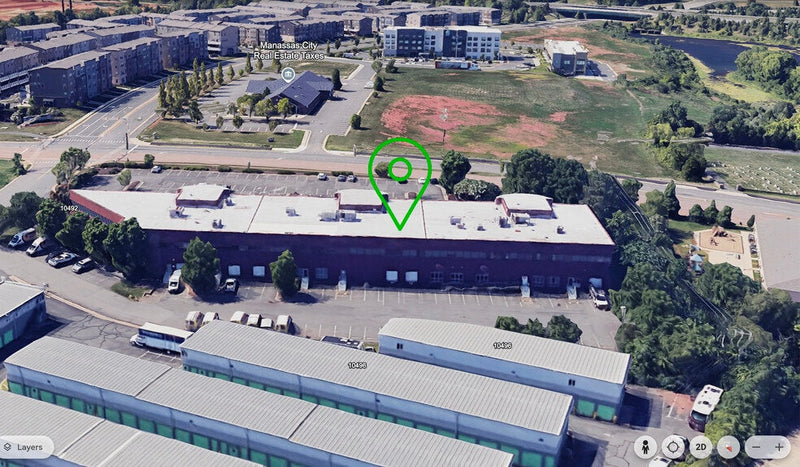
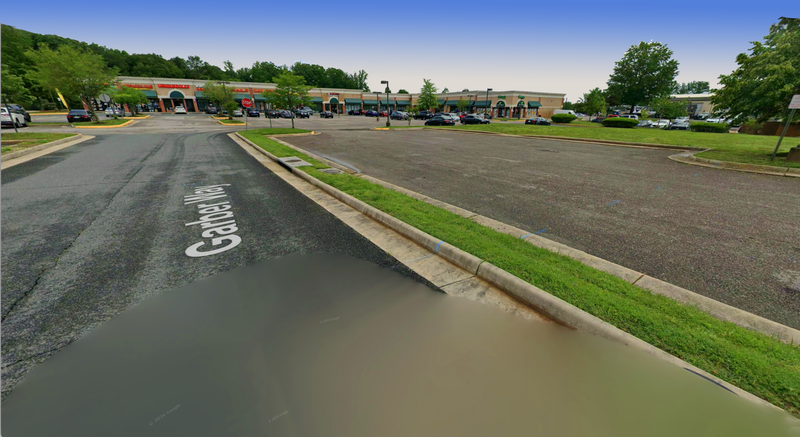
A pad site (also called an outparcel) is a separate, buildable parcel at the front of a shopping center or retail property, often along the road. When you buy a retail building with a pad site, you are buying the existing income plus a development or sale option. The value depends on zoning, access, utilities, parking requirements and recorded restrictions, so investors should confirm the pad is truly buildable before paying for it.
What a pad site is, in plain English
Retail centers are often laid out with in-line shops and an anchor behind a large parking field, and with one or more smaller parcels near the road frontage. These frontage parcels are pad sites. Typical users include restaurants, banks, coffee shops, fueling and convenience stores, and quick-service or drive-through concepts. Users like pads because of road visibility, easy access and a stand-alone building.
For an investor, a pad can play out in three ways:
- Ground lease: you keep ownership of the land and lease it to a tenant who builds or operates a building.
- Build-to-suit: you develop a building for a specific tenant and lease it back, usually on a long-term NNN lease.
- Sale of the pad: you sell the parcel to a user or developer and use the proceeds to reduce your basis or debt.
Whether any of these are possible depends on facts that can be verified before you buy.
Verify that the pad is actually buildable
Seller marketing often says "pad site available" without proof. Ask for evidence on each of these points:
- Zoning: Does zoning permit the uses you want, such as a restaurant or drive-through? Drive-throughs and fueling often need special approval.
- Parking: Carving out a pad removes spaces. Does the remaining lot still meet the parking requirement for the existing center? The new building will also need its own parking. For more on parking, see our guide to commercial property with a parking lot.
- Legal parcel status: Is the pad a separately subdivided lot, or part of the main parcel that would need subdivision or a site-plan amendment?
- Access and traffic: Is there a curb cut, cross-access to the center, and acceptable turning movements? Road agencies may limit new entrances.
- Utilities: Are water, sewer, power and gas available at or near the pad, and is there capacity?
- Stormwater: Does the center's existing stormwater facility have capacity for new impervious area?
- Existing tenant rights: Many leases and REAs contain no-build zones, visibility protections, exclusive-use clauses or parking guarantees that could block the pad.
A land-use attorney, civil engineer or the local planning office can confirm many of these items. Treat anything that is only "possible" as uncertain.
How investors value the pad
There are two parts: the existing retail income and the pad's option value. Value them separately.
- Existing income. Underwrite the center on its in-place rents and leases, using the rent roll, net operating income and a market cap rate. Do not include any pad income until it is real.
- Pad value. Estimate what the pad would produce as a ground lease, a build-to-suit or a land sale, then subtract entitlement costs, site work, legal fees, carrying costs and time.
For example (hypothetical numbers): if a tenant would pay a ground rent of $120,000 a year and a buyer values that income at a 6.5 percent cap rate, the pad would be worth roughly $1.85 million before costs ($120,000 divided by 0.065). If getting approvals, utilities and a curb cut costs several hundred thousand dollars and takes a year or more, the net value is lower. Cap rates and ground rents vary by submarket and tenant; get current comparables from CoStar, a broker analysis or an appraisal.
Risks to weigh
- Approval risk: Counties and cities can deny or condition approvals, and timelines vary.
- Tenant conflicts: Existing tenants may object to losing parking or visibility, or have lease rights that block construction.
- Market demand: Restaurant and drive-through operators are selective and the demand for pads varies by location, traffic counts and demographics.
- Cost overruns: Utilities, grading and stormwater can be expensive.
- Financing: Lenders may value the center without crediting the pad, which affects how much you can borrow.
- Concentration: A new pad tenant is a single-tenant credit risk; evaluate the operator's financial strength and lease guarantees.
Pad site structures compared
| Approach | What you own | Typical advantage | Main consideration |
|---|---|---|---|
| Ground lease | Land; tenant builds | Low management, long-term income, keeps the land | Reversion and tenant credit; lender and zoning terms matter |
| Build-to-suit with NNN lease | Land and building | Higher rent on the building, tenant pays expenses | You fund construction and carry development risk |
| Sell the pad | Neither, after sale | Cash to reduce debt or reinvest | Reciprocal easements and design controls may still bind you |
| Hold for future use | Land | Flexibility and possible appreciation | No income; taxes and maintenance continue |
Understand the lease structure before choosing. Our guide to buying commercial property with NNN tenants and the basics of the triple net lease explain how building-level rent and expense pass-throughs work.
Due diligence checklist for a retail building with a pad
- Obtain the survey, site plan, title commitment and recorded REA or declarations.
- Get a zoning verification letter and confirm permitted uses for the pad.
- Review every tenant lease for exclusives, no-build areas, parking ratios and co-tenancy clauses.
- Have a civil engineer assess utilities, stormwater and access.
- Confirm traffic access with the local transportation agency.
- Run two valuations: the center alone, and the center with the pad.
- Talk to potential pad users or brokers to test real demand.
- Review financing options with lenders before the due diligence period ends.
Retail investing in Northern Virginia often involves centers along corridors such as Route 1, Route 28, I-66 and the Dulles corridor, but pad potential is property-specific. Traffic, visibility and zoning vary block by block. Our guide to where to buy a shopping center in Northern Virginia covers the broader search.
Where to look
You can browse current shopping centers for sale in Northern Virginia, retail space for sale and our full list of commercial properties for sale. Listings change, so check the individual pages for availability and ask about properties that are not publicly marketed. If you want help evaluating an opportunity as an investor, see our investment opportunities page.
Talk with us about retail investment
If you are considering a retail center with a pad site, call Fred's Properties at 703-505-3501 or use our contact page. We can help you request the right documents and compare the property with current market data. This article is general information, not legal, tax or engineering advice; consult an attorney, CPA and engineer.
Frequently asked questions
What is a pad site in retail real estate?
A pad site is a separate parcel, usually along the frontage of a shopping center, intended for a stand-alone building such as a restaurant, bank or drive-through. It typically shares parking and access with the center.
Is a pad site good for an investor?
It can be, because it adds an income or sale option on top of the center's existing income. But value depends on zoning, access, utilities, existing leases and real tenant demand, so verify each before paying for the pad.
What is the difference between a pad site and an outparcel?
The terms are often used interchangeably. Both describe a separate parcel at the edge of a retail property. An outparcel is usually a legally separate lot, while a pad can be a designated area within a larger parcel.
Can I add a drive-through to a pad site?
Maybe. Drive-throughs usually need zoning approval, adequate stacking space for vehicles, and acceptable traffic circulation. Check with the local planning office and existing tenant leases.
Should I ground lease or sell a pad site?
A ground lease keeps the land and provides long-term income; a sale gives immediate cash but ends your control. The better choice depends on your goals, debt, tax situation and the offers available. Consult a CPA and attorney.
How do I find out whether a pad can legally be built?
Get a zoning verification letter, review the site plan and recorded easements, read tenant leases for building restrictions, and ask a civil engineer to confirm utilities and stormwater capacity.