When you buy a commercial property with a parking lot, check four things: whether the number of spaces satisfies zoning and your tenants' needs, the physical condition of the pavement and drainage, any easements or shared-parking agreements that affect the lot, and whether the land offers extra income or redevelopment potential. A parking lot is both an amenity and a cost center, and it often carries a larger capital repair bill than buyers expect.
Why parking matters more than it looks
Parking decides what a building can be used for. A retail center, medical office, restaurant, church or flex building all need a minimum number of spaces, and that minimum is set by the local zoning ordinance, not by the seller. A property with generous parking can support more intensive uses and attract stronger tenants. A property that is short on parking may be limited to lower-traffic uses, or may be "legally nonconforming," meaning it was built under older rules and may lose flexibility if the use changes.
The lot is also real money. Asphalt, striping, lighting, stormwater facilities, snow and debris removal, and liability insurance all fall on the owner, and in a triple net lease they are usually passed through to tenants as common area maintenance charges. If you are new to how that works, see our guides on triple net leases and CAM charges.
1. Confirm the parking count against zoning and use
Parking requirements are usually written as a ratio, such as a number of spaces per 1,000 square feet of building area, or per seat, per room, or per employee, depending on the use. The ratio differs by jurisdiction and by use, and Fairfax, Loudoun and Prince William counties and the City of Manassas each have their own ordinances. Do not rely on a flyer or a seller's statement. Ask for:
- The site plan and any approved parking tabulation on file with the county or city.
- A written zoning verification letter or a review by a land-use attorney or the zoning office.
- A count of actual striped spaces, including accessible (ADA) spaces and loading areas.
- Any parking reductions, waivers or shared-parking approvals that were granted and whether they transfer to a new owner.
Then test the count against how you plan to use the property. A medical office or a restaurant tenant needs far more spaces per square foot than a warehouse or a small professional office. If you intend to change the use of a tenant space, the new use may trigger a higher parking requirement than the existing one.
2. Inspect the physical condition of the lot
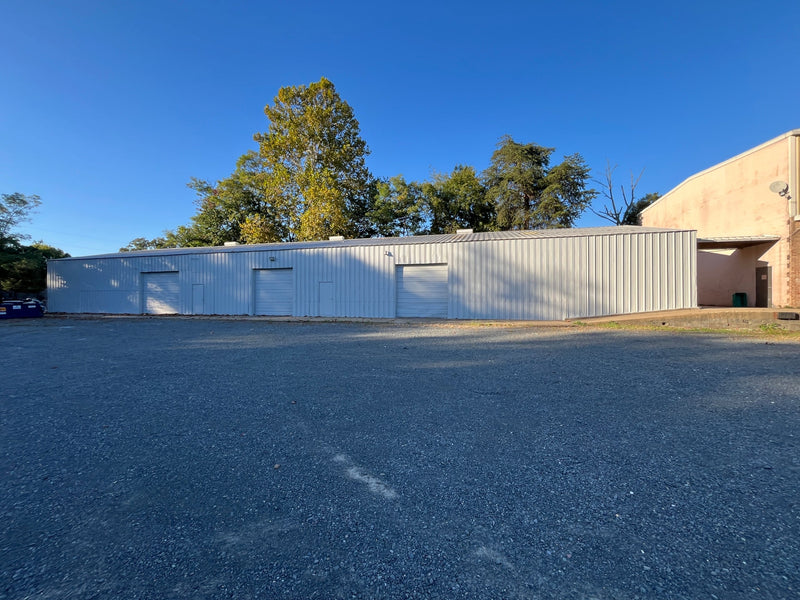
Pavement is one of the largest deferred-maintenance items in many commercial purchases. During due diligence, walk the lot in daylight and look for:
- Alligator cracking and potholes, which usually signal base failure and a costlier repair than a surface fix.
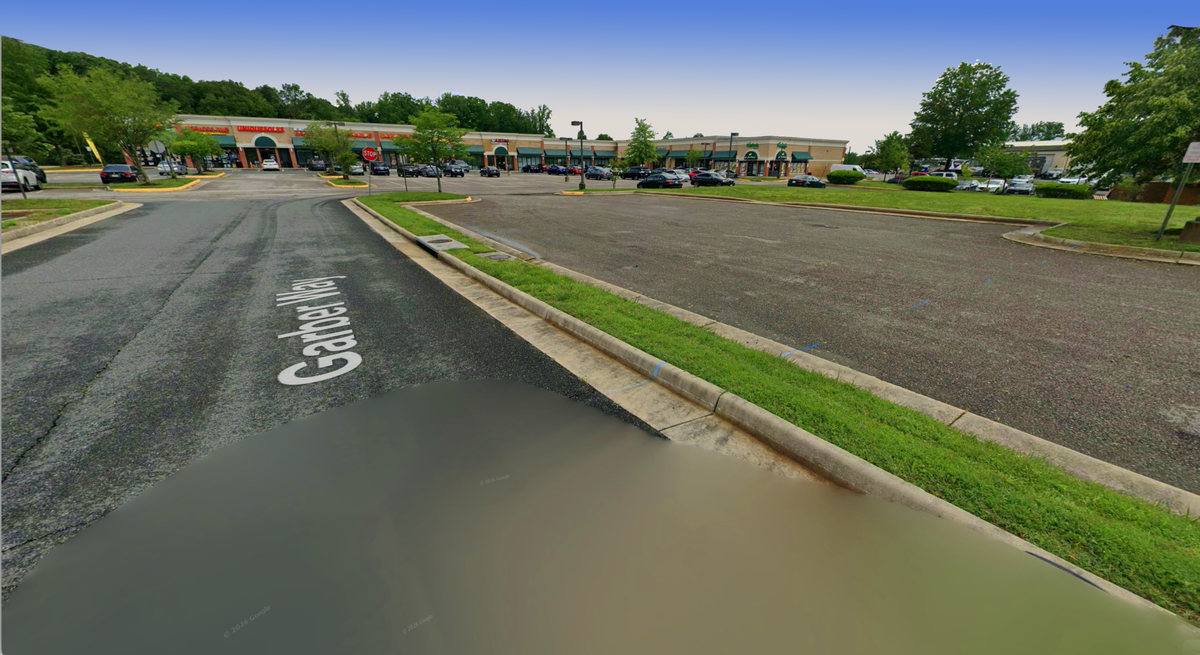
- Standing water after rain, which points to drainage or grading problems.
- Faded striping, damaged curbs, wheel stops and signage, including accessible stall markings.
- Lighting that works and reaches the whole lot, important for safety and for evening tenants.
- Entrances and turning radius, especially if delivery trucks use the lot.
Hire a civil engineer or a qualified paving contractor to give you a repair-versus-replace estimate. Ask the seller for maintenance records, the date of the last resurfacing, and any paving warranties. For example, if a lot needs full-depth reconstruction (a hypothetical bill of $150,000), that cost should be reflected in your offer price or negotiated as a seller credit rather than discovered after closing.
3. Check stormwater, environmental and regulatory items
Large paved areas shed a lot of rainwater, and many sites have stormwater management ponds, underground vaults, or inlet structures that must be inspected and maintained. Find out who is responsible, whether there are inspection reports and maintenance agreements on file, and whether any notices of violation exist. If the lot has been used for vehicle parking, fueling, repair or storage, ask whether an environmental review is appropriate; your lender will often require a Phase I environmental site assessment anyway. Ask your attorney to review these items.
4. Read the title: easements, shared parking and cross-access
Many parking lots are not fully controlled by the property owner. Review the title commitment and survey for:
- Cross-access easements that let neighboring properties drive through or park on your lot.
- Shared-parking agreements with adjacent owners, which may count spaces you do not own toward your zoning requirement.
- Utility easements or restrictions that limit where you can add buildings, signs or fencing.
- Reciprocal easement agreements (REAs) and owners' association obligations in business parks and shopping centers.
Spaces you rely on but cannot legally control are a risk. If a neighbor terminates a shared-parking agreement, a tenant space could fall out of compliance.
5. Look for income and upside in the lot
An oversized lot can be an asset. Depending on zoning, lease terms and the needs of your tenants, possible uses include:
- Pad site or outparcel development, where a portion of the lot is carved out for a separate building. See our guide to a retail building with a pad site.
- Truck, trailer or contractor parking and storage yards where the zoning allows it. We list this type of space on our truck parking and storage yard page.
- Additional tenant demand because ample, convenient parking is a leasing advantage, especially for retail, medical and church users.
- Long-term redevelopment, where underused paved land is eventually worth more as a building site.
Every one of these needs to be checked against zoning, existing tenant leases (some leases guarantee a minimum number of spaces or protect a tenant's visibility) and any recorded restrictions before you count on the income.
Comparing parking-lot due diligence items
| Item | What to ask for | Why it matters |
|---|---|---|
| Space count | Site plan, zoning letter, field count | Confirms the property supports its current and intended uses |
| Pavement condition | Engineer or contractor estimate, maintenance history | Identifies near-term capital costs |
| Drainage and stormwater | Inspection reports, maintenance agreements | Avoids violations and unexpected repair bills |
| Easements and shared parking | Title commitment, survey, REAs | Shows who controls the spaces |
| Tenant lease terms | Parking and exclusive-use clauses, CAM provisions | Limits what you can change and who pays for upkeep |
| Excess land | Zoning review, preliminary site layout | Tests pad site, storage or redevelopment potential |
6. Understand who pays for the lot
In a multi-tenant property, the lease determines how parking costs are shared. Under NNN and modified gross leases, repaving and repairs may be partly or fully recoverable from tenants, but many leases limit recovery of major capital expenses or spread them over time. Review the leases and the rent roll to see what is actually being recovered today. A lot that cannot be charged back to tenants lowers your net operating income. For the math behind that, see how to calculate NOI.
7. Think about liability and insurance
Slip-and-fall claims, vehicle collisions and security incidents often happen in parking areas. Ask for the property's loss history, check that lighting and surfaces meet current standards, and confirm that insurance coverage and tenant indemnity clauses are adequate. Your insurance agent and attorney can help with the specifics.
Where to look for commercial property with parking
Retail centers, office buildings, churches, auto-related properties and flex or industrial buildings all commonly include meaningful parking. You can browse available commercial properties for sale, retail space for sale in Northern Virginia, industrial properties for sale and commercial land for sale. Availability changes, so check the listing pages or ask us what is currently on the market, including properties that are not widely advertised. See also our guide on finding off-market commercial properties.
A buyer's broker can compare parking ratios and lot conditions across candidate properties and review them against current comparables using resources such as CoStar. Learn how brokers help buyers find investment properties.
Talk with us before you make an offer
If you are evaluating a property where parking is a deciding factor, call Fred's Properties at 703-505-3501 or use our contact page. We can help you review the site, request the right documents and structure due diligence. This article is general information, not legal, engineering or tax advice; consult an attorney, engineer and CPA for your specific property.
Frequently asked questions
How many parking spaces does a commercial property need?
It depends on the use and the local zoning ordinance. Requirements are usually expressed as spaces per 1,000 square feet or per seat, room or employee. Verify the ratio with the county or city zoning office and a zoning verification letter before you buy.
Is a large parking lot an asset or a liability?
Both. Ample parking supports more tenant uses and can allow pad-site development or storage income, but paving, lighting, stormwater and insurance are ongoing costs. The answer depends on lot condition, lease terms and zoning.
Who pays for repaving a commercial parking lot?
The owner pays first. Whether those costs can be passed to tenants depends on the leases. In many NNN leases, maintenance is recoverable through CAM, but major capital repairs may be limited or amortized, so review each lease.
Can I build on excess parking?
Sometimes. You need zoning that permits the new building, enough remaining parking for existing uses, no conflicting easements or lease restrictions, and local approvals. A pad site can be valuable, but confirm feasibility before paying for it.
What is a shared parking agreement?
It is a recorded arrangement allowing two or more properties to use the same parking spaces, often because their peak hours differ. If the agreement ends, a property may fall short of its parking requirement, so read its terms and transferability.
Should I get an engineer to inspect the parking lot?
Usually yes. A civil engineer or qualified paving contractor can estimate repair or replacement costs and flag drainage problems, giving you data to negotiate price or credits.