Shell, turnkey and build-to-suit describe how finished a commercial space is when the tenant or buyer takes it, and who pays to finish it. A shell space is delivered unfinished, often with little more than the structure, roof and basic utilities, and the tenant builds it out. A turnkey space is finished by the landlord to an agreed plan, so the tenant can move in and operate. A build-to-suit is a building designed and constructed for one specific user, who then leases or buys it. Which one is right depends on your budget, timeline and how specialized your space needs to be.
The terms at a glance
| Term | What you typically get | Who usually pays for the finish |
|---|---|---|
| Cold dark shell | Structure and roof; utilities may only reach the building | Tenant or buyer, sometimes with an allowance |
| Warm shell | Shell plus basic systems such as HVAC, electrical service, restrooms and a finished floor | Tenant pays for the interior build-out, often with an allowance |
| Second-generation space | Space finished for a previous tenant | Little or no new cost if the layout fits |
| Turnkey | Space finished to an agreed plan, ready to move in | Landlord builds it; the cost is often reflected in the rent |
| Build-to-suit | A new building designed for one user | Developer builds it; the user signs a long lease or buys |
These terms are not standardized. One landlord's "warm shell" may include HVAC, while another's does not. Always get a written list of what is delivered, often called a work letter or delivery specifications.
What does shell condition mean?
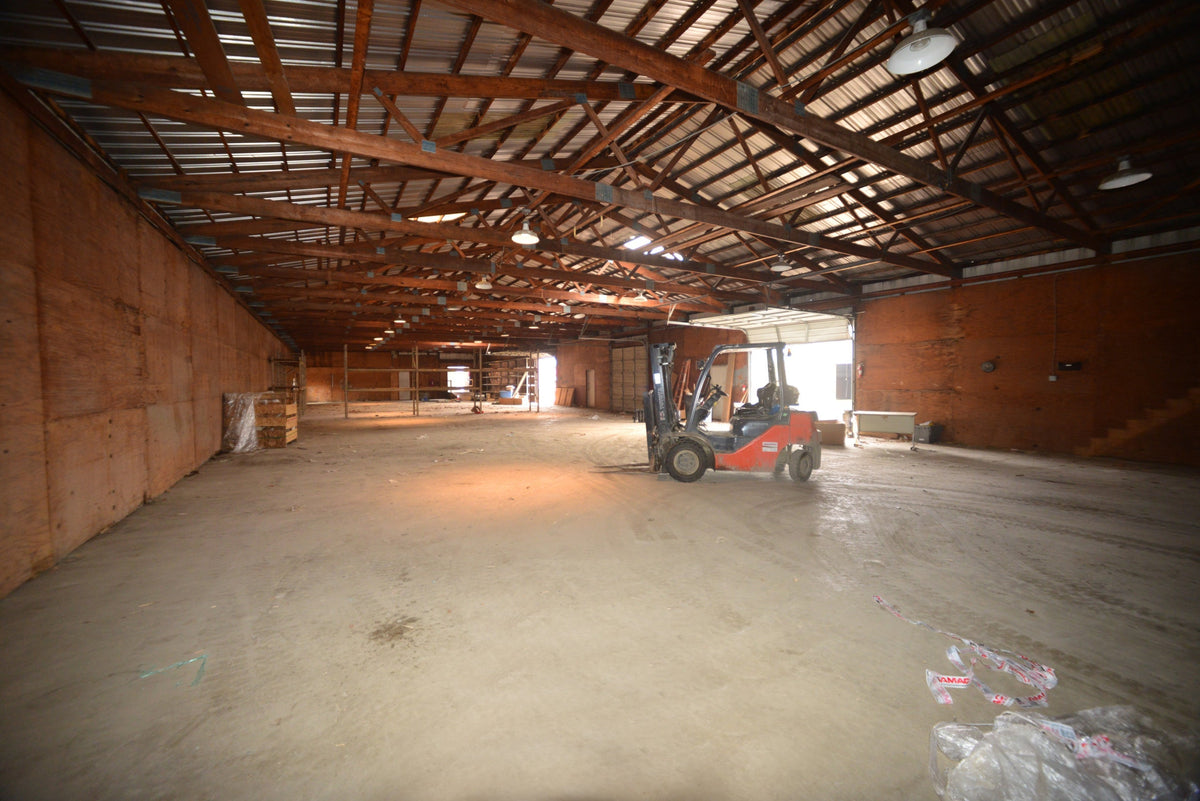
Shell condition means the space is delivered unfinished. It is common in new retail centers, new flex and industrial buildings, and some new office buildings. Shell space gives you the most freedom to design the layout, but it takes the most time and money to finish. Before you sign, confirm:
- Which systems are delivered: HVAC, electrical capacity, water, sewer, gas, sprinklers and restrooms.
- The tenant improvement (TI) allowance, if any, and what it covers. See how to negotiate tenant improvement allowances.
- How long permits and construction will take, and when rent starts.
- Whether the zoning allows your use. Restaurants, medical, day care and assembly uses have extra requirements.
What does turnkey commercial space mean?
In a turnkey deal, the landlord builds out the space to a plan you both approve, then hands it over ready to use. It is simpler for the tenant: one party manages design, permits and construction. The trade-offs:
- The landlord recovers the build-out cost, usually through higher rent or a longer lease term.
- You have less control over contractors, materials and change orders, so agree on the plan and finishes in detail.
- Agree on what happens if the space is not delivered on time.
Turnkey is popular with office and smaller retail tenants who want a predictable move-in date and do not want to manage construction.
What is a build-to-suit commercial property?
A build-to-suit is a building designed and built around one user's needs, such as a day care, a distribution facility, a medical building or a branded retail store. The developer or landlord buys or provides the land, builds the building and then leases it to the user on a long-term lease, or sells it to them. Build-to-suits make sense when:
- Your requirements are specialized and existing buildings do not fit.
- You plan to stay for many years.
- You have the time: land approval, design, permitting and construction take much longer than leasing existing space.
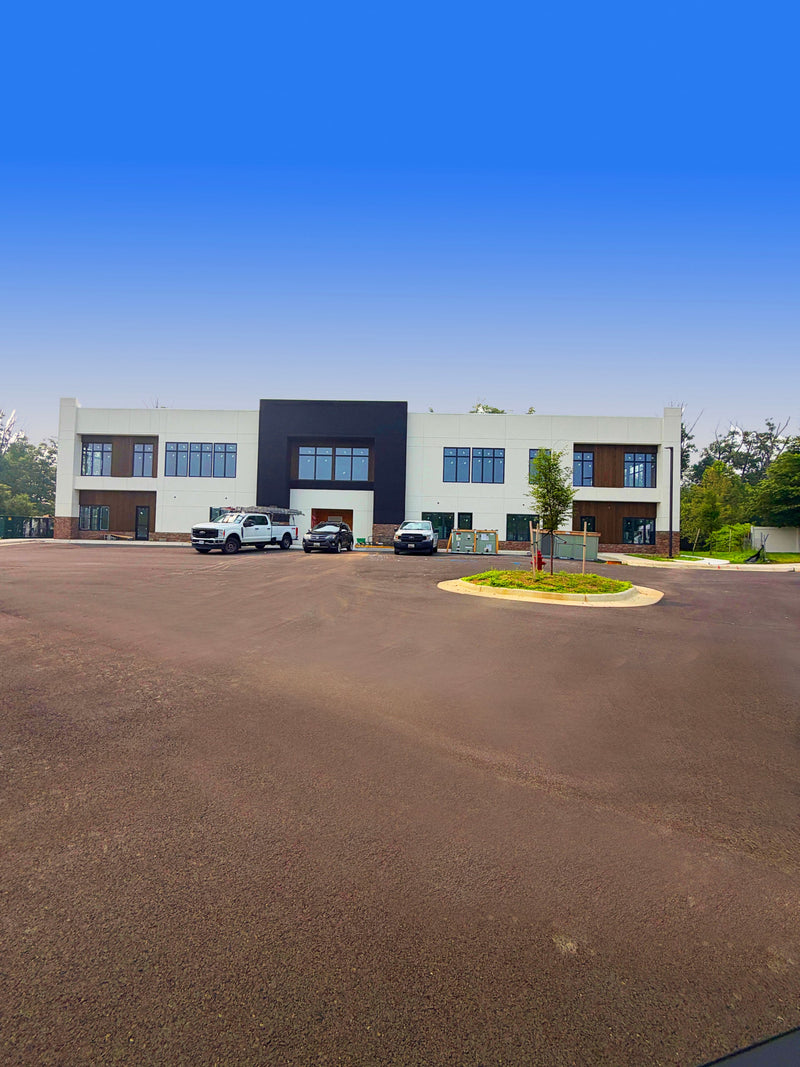
One of our current listings is a build-to-suit day care opportunity in Chantilly, VA. For land options, see how to find commercial land for development in Northern Virginia.
How to choose
- Need to move fast? Look at second-generation or turnkey space.
- Need a specific layout and have time? Shell space with a good allowance gives you control.
- Need a specialized building for the long term? Consider build-to-suit or buying. See should you buy or lease commercial property.
- On a tight budget? Second-generation space that already fits your use can cost the least to occupy.
Whichever you choose, compare options on total occupancy cost over the full term, including build-out above any allowance. Read how to find commercial properties for lease in Northern Virginia for a full search process.
How Fred's Properties helps
We help businesses across Northern Virginia compare shell, second-generation and turnkey spaces, negotiate allowances and delivery terms, and find land or partners for build-to-suit projects. Learn more about our tenant representation service or browse properties for lease and properties for sale.
Next step
Not sure which kind of space fits your plans? Call Fred at 703-505-3501 or send us a message with your use, size and target move-in date.
Frequently asked questions
What is the difference between a cold shell and a warm shell?
A cold (or cold dark) shell has the structure but few or no interior systems. A warm shell adds basic systems such as HVAC, electrical service and restrooms. Definitions vary, so ask for a written delivery list.
What is a vanilla shell or white box?
These terms usually describe a space with finished walls, basic lighting, HVAC and restrooms, ready for the tenant's finishes. Like other shell terms, the details vary by landlord.
Is turnkey space more expensive?
The rent is often higher or the term longer, because the landlord pays for the build-out up front. Compare total cost over the term against shell space plus your own build-out.
How long does a build-to-suit take?
Much longer than leasing existing space, because it involves land, approvals, design, permits and construction. Plan well ahead.
What is second-generation space?
Space that was built out for a previous tenant. If the layout fits your business, it can save significant time and build-out cost.