To buy commercial property in Prince William County, define your purpose (owner-user or investment), set a budget that includes closing and holding costs, search the main areas such as Manassas, Woodbridge and Dale City, review current listings and broker databases like CoStar, then perform due diligence on zoning, leases, financials, title, environmental condition and the physical building before closing. A buyer's broker can manage that process, and an attorney and CPA should review the legal and tax side.
Why buyers look at Prince William County
Prince William County sits south of Fairfax County and Washington, DC, and is crossed by I-95, Route 1, Route 28, I-66 and the Prince William Parkway. The Virginia Railway Express also serves the area. Buyers consider it for several practical reasons: proximity to the DC metro region, access to major highways, and a mix of property types that includes shopping centers, office buildings, industrial and flex buildings, land and special-use properties.
The county includes the independent cities of Manassas and Manassas Park, and communities such as Woodbridge, Dale City, Lake Ridge, Gainesville and Haymarket. Each has a different character. We do not quote prices, rents or cap rates for these areas, because they depend on the specific property and change over time. To find current figures, ask a broker for CoStar sales comparables or hire an appraiser. Our guide on how to determine the market value of commercial property explains the methods.
Step 1: Decide whether you are an owner-user or an investor
Your goal changes how you evaluate every property.
| Owner-user | Investor | |
|---|---|---|
| Main question | Does the building fit my operations? | Does the income justify the price? |
| Key measures | Location, size, layout, clear height, parking, zoning for your use | NOI, cap rate, lease terms, tenant quality, rent roll |
| Typical concern | Cost to own versus cost to lease | Rollover risk, expenses, financing |
| Helpful reading | Buy or lease | Evaluating an investment |
Step 2: Match the property type to your goal
- Retail and shopping centers. Income depends on tenants, lease terms and the center's traffic. See where to buy a shopping center in Northern Virginia and how to judge a shopping center investment.
- Industrial and flex. Prince William County is well known for warehouse and light-industrial buildings. Read where to buy industrial buildings in Prince William County and what to know before buying an industrial warehouse.
- Office buildings. Smaller buildings can suit owner-users such as professional practices. See office building for sale in Manassas and office building for sale in Woodbridge.
- Land. Zoning, utilities, road access and approvals drive value. Review the guide to commercial land for development.
- Special-use properties. Car dealerships, churches, daycares and similar uses need specific zoning and approvals.
Step 3: Review current Prince William County listings
Availability changes, so confirm each property's status on its listing page or by calling. The following are marked For Sale on our site:
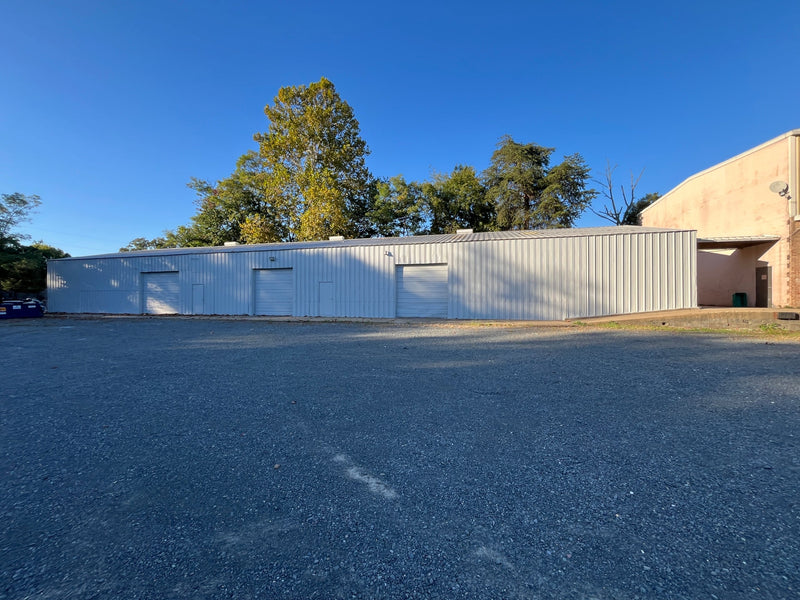
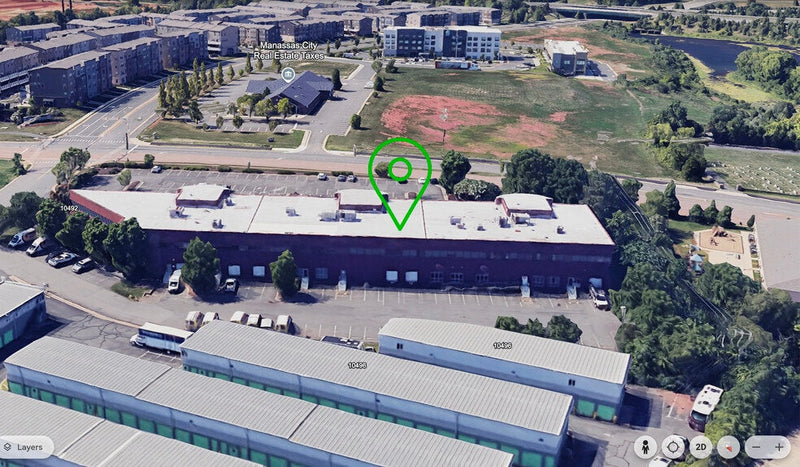
- 10498 Colonel Ct – Godwin Business Park
- MINNIEVILLE SHOPPING CENTER FOR SALE IN WOODBRIDGE, VA
- Commercial Property For Sale In Manassas, VA
- 0.94 AC Land I-1 Zoning For Sale in Manassas VA
For broader searches, use our commercial real estate for sale in Prince William County, Manassas and Woodbridge pages. We also explain how to find opportunities that are not publicly advertised in finding off-market commercial properties, and what is available for sale in Manassas.
Step 4: Run the numbers
For income properties, start with net operating income (NOI): income minus operating expenses, before debt service. Then divide NOI by price to get the cap rate. Hypothetical example: a building with $400,000 in gross income and $120,000 in operating expenses has NOI of $280,000; at a $4,000,000 price, the cap rate is 7 percent. Those are illustrative numbers only and not market data. Learn the details in our guides to calculating NOI and cap rates, and to analyzing a rent roll.
For owner-users, compare the all-in monthly cost of owning (loan payment, taxes, insurance, maintenance, reserves) against what you would pay to lease similar space, and consider the opportunity cost of your down payment.
Step 5: Complete due diligence
Due diligence is your window to verify what the seller has told you. Typical items:
- Zoning and permitted use. Confirm with the jurisdiction (Prince William County, the City of Manassas or Manassas Park, depending on location).
- Leases and rent roll. Read every lease, and ask for estoppel certificates from tenants when applicable.
- Operating statements. Compare the seller's numbers with real invoices and tax records.
- Property condition. Roof, HVAC, parking surface, structural, plumbing and electrical systems.
- Environmental review. Lenders often require a Phase I environmental assessment, especially for industrial or auto-related properties.
- Title and survey. Check easements, encroachments and liens.
- Taxes and utilities. Confirm assessments and utility service for the intended use.
Your attorney, CPA and lender should be part of this review. This is general information and not legal or tax advice.
Step 6: Negotiate and close
A purchase typically begins with a letter of intent or purchase offer that sets price, deposit, due diligence period, financing contingency and closing date. See how a letter of intent works and how to negotiate a commercial property purchase. For the full sequence, read how the acquisition process works in Virginia.
Budget beyond the purchase price
Buyers who focus only on price are often surprised by the other costs. Build a budget that includes:
- Down payment and loan costs, including lender fees and any required reserves.
- Due diligence expenses such as the appraisal, environmental report, survey, property inspection and legal fees.
- Recording and transfer costs, which your attorney or title company can estimate.
- Immediate repairs or improvements, plus a reserve for roof, HVAC and parking lot work.
- Carrying costs while you lease up a vacant building or complete a build-out.
If the property has tenants, learn what a buyer should check in commercial property with existing tenants.
How a buyer's broker helps
A buyer's representative works for you in the search, analysis and negotiation. We can screen listings, pull sales comparables through CoStar, help organize due diligence and coordinate with your attorney, lender and other advisors. Learn more about how brokers help buyers find investment properties and our investment opportunities page.
Next step
If you are considering a purchase in Prince William County, call 703-505-3501 or contact us online. Share your property type, size range, budget and whether you will occupy or lease the property, and we will help you review current options.
Frequently asked questions
How much does commercial property cost in Prince William County?
Prices depend on property type, location, size, condition, tenancy and market conditions. No single number applies. A broker can pull current sales comparables, and an appraiser can value a specific property. See also how much commercial property costs in Northern Virginia.
What types of commercial property are for sale in Prince William County?
Common types include shopping centers and retail buildings, office buildings, warehouses and flex buildings, land and special-use properties such as dealerships or churches. Inventory changes, so check current listings.
How much down payment do I need to buy commercial property?
Requirements vary by lender, property type, borrower strength and loan program. Many commercial loans require a significant down payment, but you should ask lenders for current terms rather than assume a number.
Can I buy commercial property in Prince William County for my own business?
Yes. Owner-user buyers purchase buildings to occupy. Confirm zoning allows your use and compare the cost of owning with leasing.
Do I need a broker to buy commercial property?
No law requires you to use one, but a buyer's broker brings market access, comparables and process support. Ask how the broker is compensated and whether any dual agency could arise.
How long does it take to buy commercial property?
The timeline depends on search, negotiation, due diligence and financing. After a contract is signed, a due diligence period and loan process commonly take several weeks to a few months.