To find warehouse space for lease in Northern Virginia, define your requirements first (square footage, clear height, loading, power, truck access and budget), then search listing platforms and local broker inventory, tour shortlisted buildings against a checklist, and negotiate the lease with a tenant representative. Searching by submarket matters: Manassas and Prince William County, the Dulles and Route 28 corridor, and the I-95 corridor each serve different users.
Step 1: Write down what the warehouse must do
Warehouse space is not interchangeable. Before searching, list the physical requirements your operation needs. This prevents wasted tours and lets a broker filter quickly.
- Square footage. Total space, plus how much office or showroom you need within it.
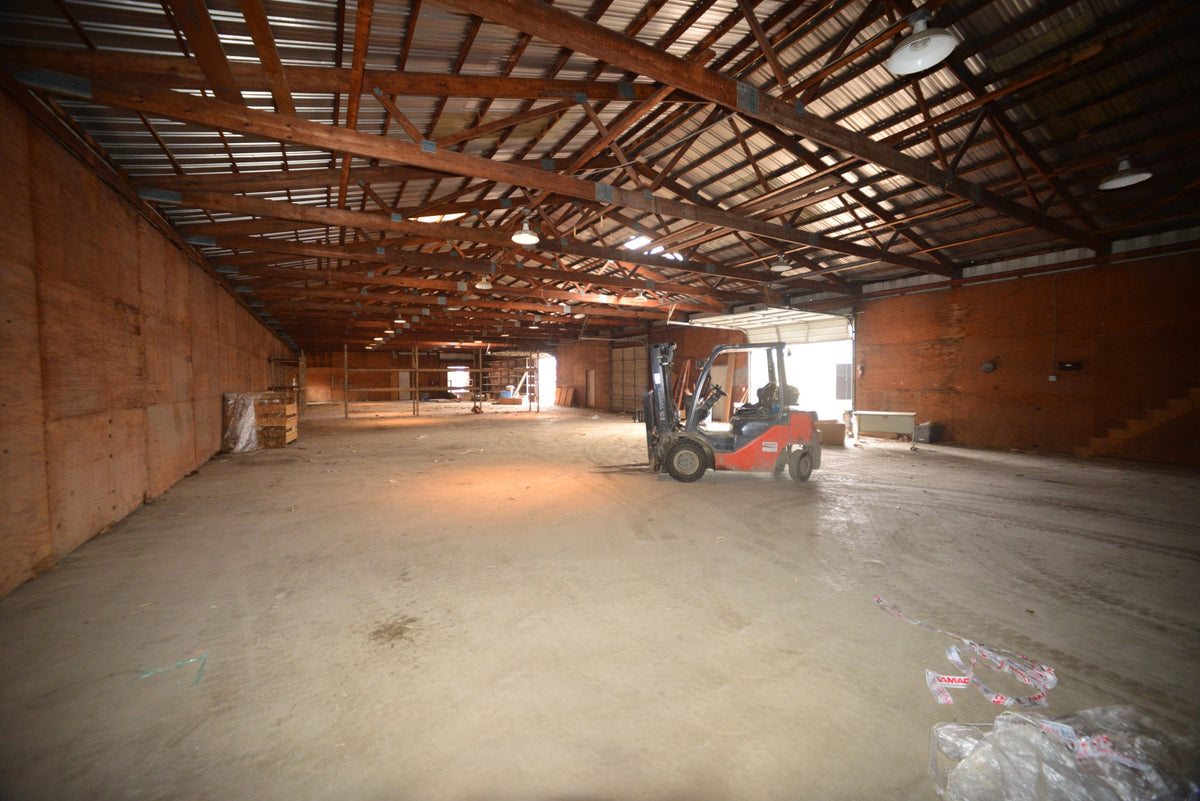
- Clear height. The usable height from floor to the lowest obstruction, such as beams or sprinkler lines. It decides how high you can rack pallets.
- Loading. Dock-high doors align with truck beds. Drive-in doors (grade-level) let vehicles enter. Many users need both. Ask about door count, dock levelers and the truck court depth.
- Power. Amperage and voltage, and whether it is single-phase or three-phase, matter for equipment and cooling.
- Column spacing and floor load. Affect racking layout and heavy equipment.
- Parking and yard. Employee spaces, trailer parking, outdoor storage and fleet needs.
- Zoning. Confirm that your use is permitted. Warehouse, light industrial, distribution and showroom uses can be treated differently.
- Fire protection. Sprinkler type affects what you can store and how.
Step 2: Know the common space types
| Type | What it is | Often suits |
|---|---|---|
| Warehouse/distribution | Larger, taller buildings with dock doors | Wholesalers, e-commerce, logistics |
| Flex space | Mix of office, showroom and warehouse in one unit | Contractors, service companies, light assembly |
| Light industrial | Space for assembly, repair or light manufacturing | Trades, fabrication, repair shops |
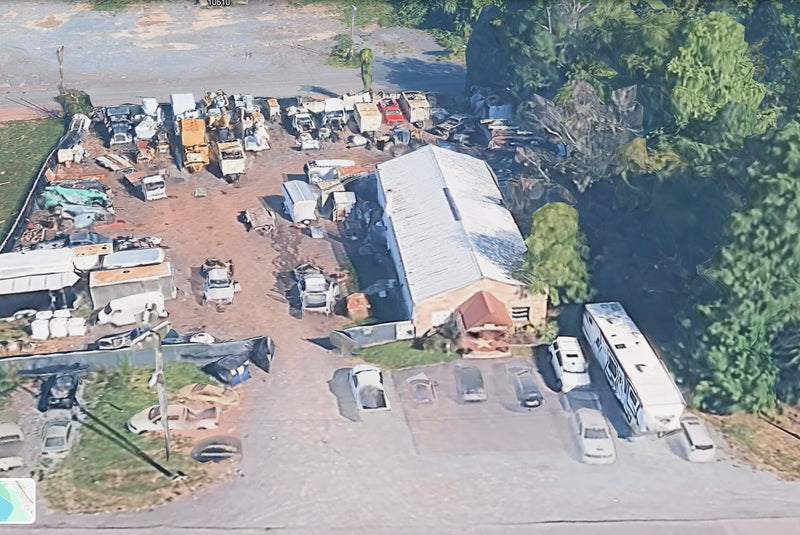
| Storage yard | Outdoor land, sometimes with a small building | Contractor fleets, equipment, vehicles |
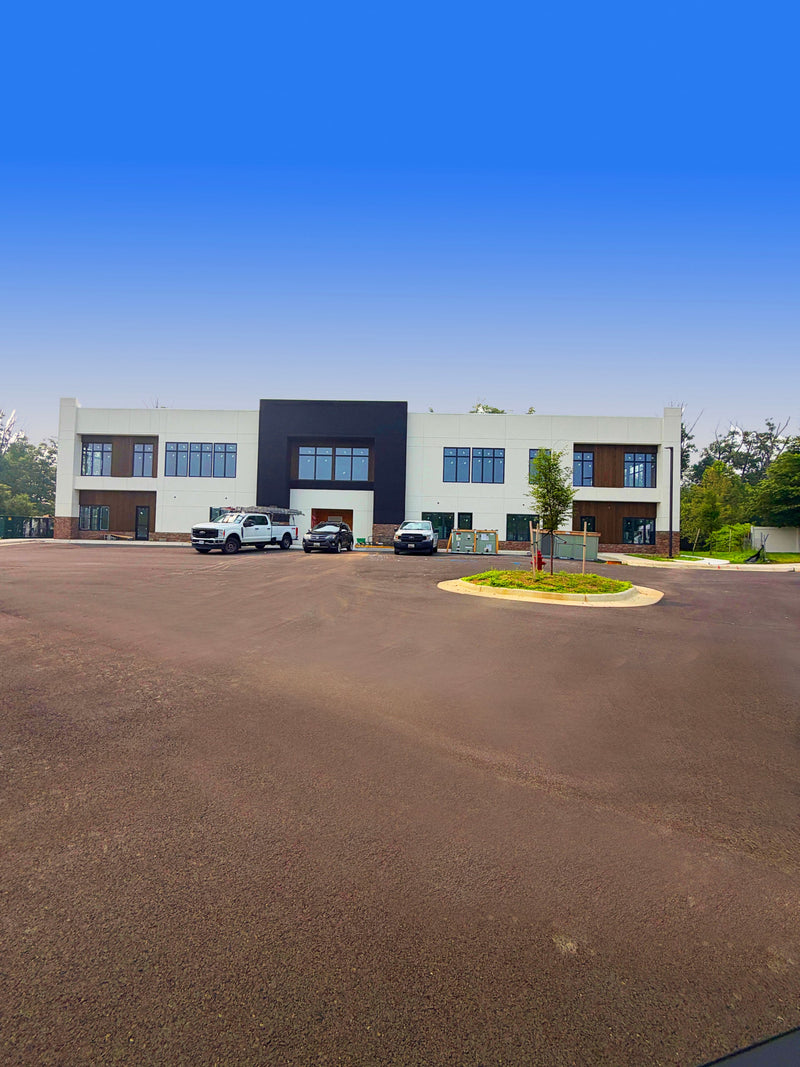
Smaller multi-tenant industrial buildings are common in Northern Virginia, and many are well suited to small businesses that do not need a large distribution building.
Step 3: Choose the right submarket
Location changes your trucking time, labor access and rent. Some well-known industrial areas include:
- Manassas and Prince William County. Reached by I-66 and Route 28 and close to I-95. See our warehouses for lease in Manassas and Prince William County pages.
- Ashburn, Sterling and the Dulles corridor. Near Dulles Airport and the Route 28 corridor; Loudoun County is also known for its large data center cluster in Ashburn, which has shaped the area's real estate. See warehouses for lease in Ashburn.
- Springfield, Lorton and Woodbridge. Along I-95 and the Route 1 corridor, convenient for access toward Washington, DC. See warehouses for lease in Woodbridge.
Rents differ by submarket, building age, size and condition. We do not quote averages here because they change; ask a broker to pull current comparable leases from CoStar. For a deeper look at which areas fit which users, read best locations for industrial businesses in Northern Virginia.
Step 4: Search the right places
- Our inventory. Start with our warehouses for rent in Northern Virginia and industrial properties for rent pages.
- Commercial listing platforms and a broker's database. Many spaces are marketed through a broker network. Our access to CoStar, a commercial real estate database, helps compare options.
- Driving the area. Small or newly vacant spaces may only have a sign.
- Referrals. Neighboring tenants, vendors and property managers know which buildings have openings coming.
As an example from our own inventory, see this 7,224 SF warehouse for lease in Manassas, which shows the type of detail to look for in any listing: size, address and use. Availability changes, so confirm that a space is still open before planning around it.
Step 5: Tour with a checklist
- Measure clear height at the lowest point, not just the center.
- Count dock-high and drive-in doors and check their condition.
- Check truck turning room and trailer parking.
- Confirm power capacity with the landlord and verify with an electrician if your equipment is demanding.
- Look at the roof, floors and any signs of water intrusion.
- Test restrooms, HVAC (if any) and lighting.
- Ask what neighbors do and whether noise, truck traffic or hours might conflict with yours.
- Confirm zoning and permitted use with the county or town before committing.
Step 6: Understand the lease structure
Most industrial leases are triple net (NNN), meaning the tenant pays base rent plus taxes, insurance and common area maintenance. Compare options by total occupancy cost, not just base rent. For example, hypothetically, a building quoted at $11 per square foot NNN with $3 per square foot in expenses costs $14 per square foot all-in. The numbers are only for illustration. Ask for expense history and read how CAM charges are billed and capped.
Also review the term, annual escalations, renewal options, repair responsibilities for the roof, HVAC and dock equipment, and whether the lease restricts outdoor storage or truck parking. Delivery condition and who handles any alterations should be in writing.
Common mistakes to avoid
- Leasing based on square footage without checking usable layout, clear height or door count.
- Assuming your use is permitted without zoning confirmation.
- Underestimating NNN costs.
- Ignoring truck access and turning radius.
- Starting the search too close to your lease expiration.
Why use a tenant representative
A tenant rep helps you screen buildings, compare total costs and negotiate rent, term and concessions on your behalf. Learn more on our tenant representation page. This article is general information; have an attorney review any lease.
Warehouse requirements worksheet
Bring a one-page summary to your broker so every building is measured against the same criteria. A useful format is below, with example entries that are purely hypothetical.
| Requirement | Example entry (hypothetical) | Must-have or flexible? |
|---|---|---|
| Size | 8,000 to 12,000 square feet | Flexible |
| Clear height | Enough for two levels of pallet racking | Must-have |
| Doors | Two dock-high, one drive-in | Must-have |
| Office | Small front office and restroom | Flexible |
| Location | Within a short drive of Route 28 or I-66 | Flexible |
| Outdoor space | Room to park two box trucks | Must-have |
| Budget | Total monthly occupancy cost you can sustain | Must-have |
Timeline to expect
Plan on several distinct phases: defining requirements, touring, negotiating a letter of intent, drafting and negotiating the lease, and finally any build-out or move-in work. Each phase can take longer than expected, particularly if the space needs improvements, permits or utility upgrades. Smaller spaces often move faster than large or specialized buildings, but no timeline is guaranteed. Start early, and if you already occupy space, check your current lease for notice and holdover terms so you are not forced into a rushed decision.
Next step
Tell us what your operation needs and we will help you narrow the search. Call us at 703-505-3501 or use our contact page.
Frequently asked questions
How much does warehouse space cost in Northern Virginia?
Rents vary by submarket, size, clear height, age and condition, and they change over time. A current comparable-lease analysis from a broker is the most reliable way to budget.
What is clear height in a warehouse?
Clear height is the usable vertical space from the floor to the lowest structural element, such as a beam or sprinkler pipe. It determines how high you can stack or rack inventory.
What is the difference between dock-high and drive-in doors?
Dock-high doors sit at truck-bed height for loading from trailers. Drive-in doors are at ground level so vehicles or forklifts can enter. Many users need both.
What is flex space?
Flex space combines office, showroom and warehouse or light industrial space in one unit, often used by contractors, service businesses and small distributors.
How long does it take to lease a warehouse?
Timing depends on availability, lease negotiation and any improvements. Starting several months before you need to move, and longer for large or specialized space, is prudent.
Do I need a broker to lease a warehouse?
No, but a tenant representative can save time, widen your options and negotiate terms. Landlords generally pay the commission, though arrangements vary and should be confirmed in writing.