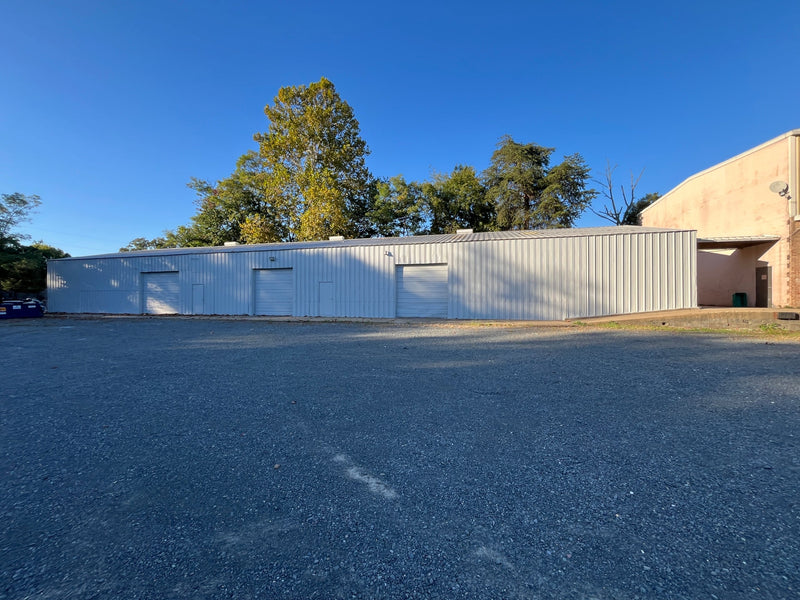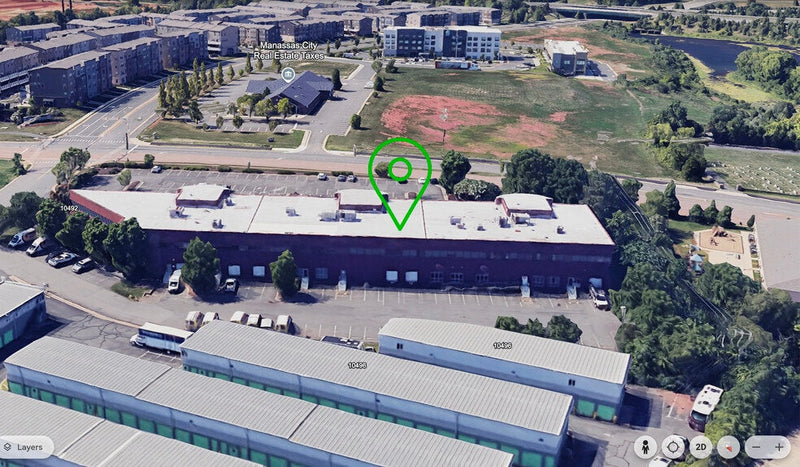
A commercial building with multiple tenants is one property leased to several separate businesses, such as a small office building, a strip center or a multi-bay industrial building. Before buying one, check the rent roll against the actual leases, the lease expiration schedule, tenant quality and concentration, how operating expenses are recovered, the building's physical condition, and whether the property's NOI supports the price. Tenant estoppel certificates and a clean audit of the seller's numbers are essential.
What a multi-tenant building is, and what it is not
A multi-tenant building has two or more tenants, each with its own lease. Examples in Northern Virginia include neighborhood retail centers, professional office buildings, flex and industrial parks, and mixed-use properties. The landlord owns the whole building and collects rent from each tenant, then pays property taxes, insurance, maintenance and other costs, often recovering part of them through CAM charges.
Investors like this structure because one vacancy does not eliminate all income. The trade-off is more leases to manage and more turnover to plan for. Our post on the benefits of investing in multi-tenant commercial buildings covers that comparison. This post focuses on what to check before you buy.
Where to find a commercial building with multiple tenants
Start with our commercial properties for sale, investment opportunities, shopping centers for sale and office buildings for sale pages. One currently listed example is the Minnieville Shopping Center for sale in Woodbridge, VA at 2826 Garber Way, Woodbridge, which is listed as a retail and shopping center property. Open the listing for details and confirm availability, because inventory changes. Many of the best buildings never reach the open market, so see how to find off-market commercial properties, and read about shopping center options in where to buy a shopping center in Northern Virginia.
Check 1: Verify the rent roll against the leases
The rent roll is the seller's summary of each tenant, suite, square footage, rent, lease dates and deposit. It is only a summary. Compare it line by line with the signed leases and amendments, then confirm each tenant's status through an estoppel certificate. Look for discrepancies in rent, expiration dates, free-rent periods, options and unpaid concessions. Our step-by-step guide to analyzing a rent roll shows what to examine.
Check 2: Build a lease expiration schedule
List when each lease ends and how much rent it represents. A building that is 100% occupied but has half its income expiring in the next 18 months is riskier than it looks. A well-staggered schedule, with expirations spread over several years, lowers the chance of a large vacancy all at once. Also note renewal options and early termination rights.
Check 3: Assess tenant quality and concentration
- Largest tenant. What share of total income does it provide? If one tenant provides most of the rent, the building behaves more like a single-tenant property.
- Tenant mix. Are the businesses compatible and stable? Essential services such as medical, daily-needs retail or government-related users tend to behave differently from discretionary businesses, though you should evaluate each tenant individually.
- Payment history. Review tenant ledgers and delinquency reports for the last 12 to 24 months.
- Guarantees and deposits. Confirm what security each lease provides.
Check 4: Understand how expenses are recovered
Lease structure determines how much of the operating cost each tenant pays. A triple net lease passes taxes, insurance and common-area maintenance to the tenant; a gross lease does not. In many multi-tenant buildings the leases differ from tenant to tenant, so you may be recovering costs from some tenants and absorbing them from others. See what a triple net lease is. Ask for CAM reconciliations from prior years to see whether recoveries were billed correctly. Errors can mean the seller has under-collected, and tenants may even have claims for overbilling.
Check 5: Test the numbers
| Item | What to confirm |
|---|---|
| Gross income | Matches leases and bank deposits, not just the rent roll. |
| Vacancy and credit loss | Your own allowance, not just the seller's. |
| Operating expenses | Taxes, insurance, utilities, repairs, management, landscaping, snow removal and reserves. |
| NOI | Recalculated from verified numbers. See how to calculate NOI. |
| Cap rate and price | Compare to current sales of similar buildings. See what is a good cap rate. |
| Capital needs | Roof, parking, HVAC, elevators, façade and tenant improvement obligations. |
For example (hypothetically), a seller shows $450,000 of gross rent and $150,000 of expenses for NOI of $300,000. You find that the expenses omit management, which you would pay at a hypothetical 4% of income, or $18,000, and that a $15,000-a-year reserve for the roof and parking lot is prudent. Your NOI is closer to $267,000. At a 7% cap rate, the seller's NOI implies a price of about $4.29 million and yours about $3.81 million. Verified numbers, not headline numbers, should drive your offer.
Check 6: Inspect the building
Physical condition often differs between suites. Inspect the roof, HVAC, plumbing, electrical, parking lot, drainage, fire safety and accessibility, and tour vacant and occupied suites. Order any environmental review your use history calls for, such as a Phase I for properties with industrial or dry cleaning history. Review the survey, title and zoning compliance, including parking ratios, which can limit leasing flexibility.
Check 7: Identify the lease provisions that affect value
- Exclusive-use clauses that limit which tenants you can add.
- Co-tenancy clauses that let a tenant reduce rent if an anchor leaves.
- Rights of first refusal or purchase options.
- Termination, relocation and expansion rights.
- Landlord work or allowances still owed to tenants.
- Subordination and non-disturbance (SNDA) terms that matter for your lender.
Think about your exit
Every purchase should include a view of the eventual sale. Buyers of your building will do the same review you are doing now, so a clean rent roll, organized leases, current estoppels and a documented maintenance history all make a later sale smoother. Staggered lease expirations, renewed tenants and a building in good repair generally help; a pile of deferred repairs and short-term leases do the opposite. Model a hold period of several years, including at least one round of lease renewals and re-leasing costs such as commissions, tenant improvements and downtime, before you decide what you can afford to pay.
Plan for management and leasing
A building with several tenants needs ongoing management: rent collection, maintenance, CAM billing, lease renewals and marketing vacancies. Decide whether you will manage it yourself or hire a property manager, and include the cost in your underwriting. Our post on how to market a commercial building for lease and how to find qualified tenants will help once you own the building. Consider a landlord representation partner for leasing, and see our commercial property management page.
Next step
If you are considering a multi-tenant building in Northern Virginia, call 703-505-3501 or contact us. We can help you find candidates, review the rent roll and leases, and compare the asking price with current market information. Your attorney should review the contract and leases, and your CPA should review tax questions.
Frequently asked questions
What is a commercial building with multiple tenants called?
It is commonly called a multi-tenant property. Depending on use, it may be a strip center, shopping center, office building or industrial park.
Is a multi-tenant building a good investment?
It can be, because income is spread across several tenants. It also requires more management and attention to lease expirations. A careful review of the numbers decides whether a specific building is a good investment. See how to evaluate a commercial real estate investment.
What documents should I ask for before buying?
Ask for the rent roll, all leases and amendments, two to three years of operating statements, CAM reconciliations, tenant ledgers, estoppel certificates, tax bills, insurance records and service contracts.
What happens to the leases when I buy the building?
They normally transfer to you, and you become the landlord. See buying commercial property with existing tenants and evaluating long-term leases.
How much vacancy should I assume?
There is no universal figure. It varies by property type, submarket and building. Use current comparables from a database like CoStar or a broker's analysis to set your own allowance.
Do I need a broker to buy a multi-tenant property?
You are not required to use one, but a broker can find properties, verify the information and manage negotiations. See our investment opportunities page.